
Ryan Savolskis, LCSW
November 3, 2024

Therapy for Teens

Image for Ryan Savolskis Psychotherapy Blog. Psychotherapist in New York, NY.
Woman experiencing anxiety and overwhelm stands still in a crowded, fast-moving NYC subway.
By Ryan Savolskis, LCSW March 9, 2026
Does living in NYC intensify your anxiety? Discover how city pressure fuels stress and learn how anxiety therapy in NYC helps you find lasting relief.
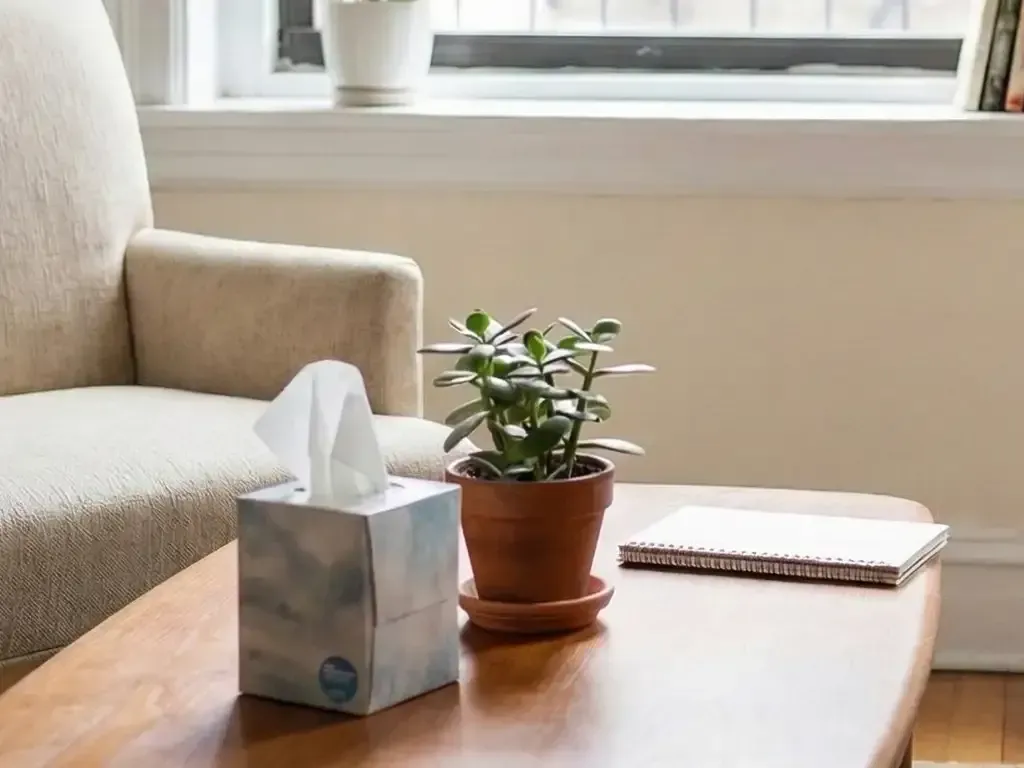
A comfortable NYC therapy office setting featuring a beige armchair, a box of tissues.
By Ryan Savolskis, LCSW March 6, 2026
Nervous about starting therapy in NYC? The first session is a supportive conversation. Learn what to expect, discuss your goals, and find the right fit.

Abstract illustration of calming blue, sage, and gold waves integrating over glowing neural pathways
By Ryan Savolskis, LCSW February 25, 2026
Discover what EMDR therapy in NYC is and how it helps individuals recover from trauma and anxiety. Learn how this structured psychotherapy helps the brain process memories that have become stuck in the nervous system.
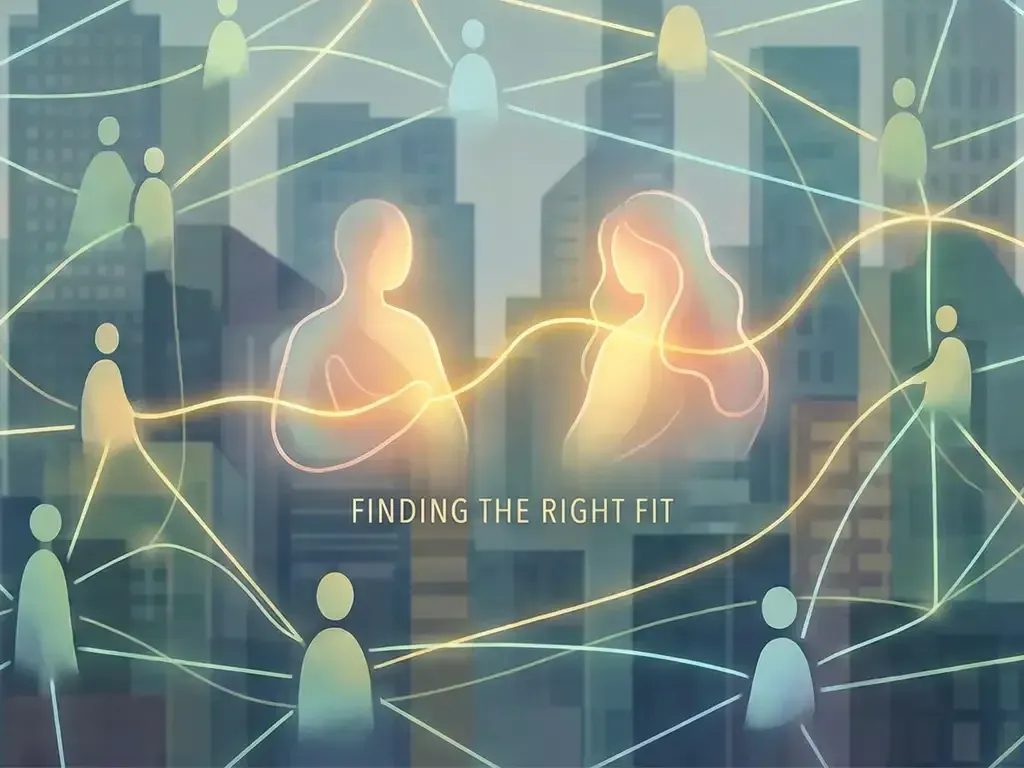
Abstract city connections representing finding the right LGBTQ therapist NYC.
By Ryan Savolskis, LCSW February 18, 2026
Overwhelmed by searching for a therapist in NYC? Learn to prioritize fit and safety over endless profiles. Expert advice from a Midtown Manhattan LCSW.

Split forest path: dark muddy trail of rumination vs. sunny floral path of cognitive reframing.
By Ryan Savolskis, LCSW February 6, 2026
Neuroplasticity shapes your brain through repetition. Break cycles of rumination and depression by building healthier mental habits for lasting change.

Contemplative man sitting in an armchair reflecting on the need for therapy and men's mental health.
By Ryan Savolskis, LCSW January 22, 2026
Only 17% of men seek mental health help. Discover why therapy is a sign of strength, not weakness, and how it helps you handle life’s challenges.

Hands with pride bands clasping, symbolizing the authentic connection and belonging needed for heali
By Ryan Savolskis, LCSW January 13, 2026
Explore substance use in gay culture as a response to trauma and shame—not a trend—and discover healthier ways to build authentic connections.
Silhouette of a person with internal tangled lines representing the internal wound of trauma.
By Ryan Savolskis, LCSW December 4, 2025
Trauma isn't the event - it's the internal response. Explore "Big T" vs. "Little t" trauma, common symptoms, and how to heal without pathologizing your pain.
Woman scrolling on phone, reading about mental health symptoms and self-diagnosis on social media.
By Ryan Savolskis, LCSW October 24, 2025
Social media is full of mental health advice, but it fuels self-diagnosis. Ryan Savolskis, LCSW, NYC therapist explains the dangers and separates fact from fiction.
A stylish gay man looking out a window in a New York City store, reflecting about perfectionism.
By Ryan Savolskis, LCSW October 15, 2025
NYC therapist explores why gay men struggle with perfectionism, how it's linked to shame, and the path to freedom through self-acceptance.

Recent Posts

Call or email Ryan Savolskis Psychotherapy for a free initial consultation.

Building Rapport and Earning Trust

Engaging Through Activities, Not Just Talk

Showing Empathy and Support

Collaborating with Parents and Families

Providing Psychoeducation and Addressing Social Media Misinformation

Helping Teens Grow into Their Authentic Selves

Working with teens in therapy requires a unique approach that focuses on building trust, fostering engagement, and creating a supportive environment for growth. Adolescence is a complex time, and therapy offers teens a safe space to explore their emotions, relationships, and personal goals. This post delves into the essential steps to making therapy effective for teens, from rapport-building to activities and psychoeducation.

Establishing rapport is the foundation of successful therapy, especially with teens. Many teens may feel hesitant about therapy, often seeing it as another avenue where adults—like parents or teachers—may judge them. As a therapist, it’s critical to ensure that teens understand they are your client, not their parents. Making it clear that your role is to support them and not act as a “parental spy” helps build trust.

Creating rapport with teens takes time, and sometimes, focusing on casual conversations or shared interests is the best starting point. Talking about what they enjoy, sharing a bit of humor, and allowing conversations to flow naturally (without diving too soon into therapeutic topics) can help them feel comfortable. When teens know that you respect their pace and genuinely want to understand them, they’re more likely to open up.

Teens often respond better to activities than to traditional talk therapy. Long conversations may feel overwhelming or intimidating, so incorporating activities can make therapy sessions more approachable and enjoyable. Engaging with games, drawing, watching short videos, looking at TikToks together, or even listening to music allows teens to relax and communicate more openly.

Activities provide a safe, hands-on way for teens to express themselves. They often offer a window into a teen’s world, revealing what they’re passionate about or what concerns them. These activities aren’t just diversions—they’re powerful tools for building rapport and facilitating meaningful conversations that might not emerge in a traditional talk format.

Empathy is one of the most crucial aspects of therapy with teens. Adolescents need to feel seen, heard, and validated, especially in a world where they may feel judged or misunderstood. When teens sense genuine empathy from their therapist, they become more willing to explore their feelings and vulnerabilities.

Providing consistent support in a non-judgmental way helps teens feel safe. Even if their concerns seem minor to an adult, showing empathy affirms that their experiences matter and that they can share them without fear. This unconditional support creates a therapeutic environment that feels both safe and empowering, making it easier for teens to work through challenging emotions.

Open communication within families is often a crucial component of successful therapy with teens. In sessions, I work with both teens and their families to build a bridge for honest, constructive communication. I help teens articulate their feelings clearly when conflicts arise and encourage parents to listen openly to their child’s perspective.

Social media can be a major influence on teens’ mental health, both positively and negatively. Misinformation about mental health is rampant online, with many platforms showcasing misleading or oversimplified information about mental health conditions. This is why psychoeducation—teaching teens accurate, reliable information about mental health—is so important.

Therapy for teens is about creating a supportive space for them to grow into who they want to be, free from forced agendas or preconceived expectations. My goal is to offer guidance and encouragement while respecting their individuality and autonomy. Through empathy, trust, and engaging activities, I support teens as they navigate life’s challenges and discover their strengths.

With the right approach, therapy can be an empowering, transformative experience for teens, helping them to build resilience, foster self-acceptance, and develop into the person they truly want to be.

Through psychoeducation, teens can gain a better understanding of their own experiences and learn to differentiate between credible sources and misleading information. This knowledge empowers them to approach their mental health with clarity, self-awareness, and confidence. By openly discussing the impact of social media on mental health, therapists can help teens build a healthier relationship with the information they consume online.

By supporting both the teen and the family, I can also advocate for the teen when they feel overwhelmed or misunderstood. This dual approach allows teens to feel seen and supported while giving parents insights into their child’s emotional world. Together, we create a safe space where family members can connect and address any misunderstandings, which fosters a more supportive and cohesive family environment.

Share On

Woman experiencing anxiety and overwhelm stands still in a crowded, fast-moving NYC subway.
By Ryan Savolskis, LCSW March 9, 2026
Does living in NYC intensify your anxiety? Discover how city pressure fuels stress and learn how anxiety therapy in NYC helps you find lasting relief.
A comfortable NYC therapy office setting featuring a beige armchair, a box of tissues.
By Ryan Savolskis, LCSW March 6, 2026
Nervous about starting therapy in NYC? The first session is a supportive conversation. Learn what to expect, discuss your goals, and find the right fit.
Abstract illustration of calming blue, sage, and gold waves integrating over glowing neural pathways
By Ryan Savolskis, LCSW February 25, 2026
Discover what EMDR therapy in NYC is and how it helps individuals recover from trauma and anxiety. Learn how this structured psychotherapy helps the brain process memories that have become stuck in the nervous system.
Abstract city connections representing finding the right LGBTQ therapist NYC.
By Ryan Savolskis, LCSW February 18, 2026
Overwhelmed by searching for a therapist in NYC? Learn to prioritize fit and safety over endless profiles. Expert advice from a Midtown Manhattan LCSW.
Split forest path: dark muddy trail of rumination vs. sunny floral path of cognitive reframing.
By Ryan Savolskis, LCSW February 6, 2026
Neuroplasticity shapes your brain through repetition. Break cycles of rumination and depression by building healthier mental habits for lasting change.
Contemplative man sitting in an armchair reflecting on the need for therapy and men's mental health.
By Ryan Savolskis, LCSW January 22, 2026
Only 17% of men seek mental health help. Discover why therapy is a sign of strength, not weakness, and how it helps you handle life’s challenges.

Hands with pride bands clasping, symbolizing the authentic connection and belonging needed for heali
By Ryan Savolskis, LCSW January 13, 2026
Explore substance use in gay culture as a response to trauma and shame—not a trend—and discover healthier ways to build authentic connections.
Silhouette of a person with internal tangled lines representing the internal wound of trauma.
By Ryan Savolskis, LCSW December 4, 2025
Trauma isn't the event - it's the internal response. Explore "Big T" vs. "Little t" trauma, common symptoms, and how to heal without pathologizing your pain.
Woman scrolling on phone, reading about mental health symptoms and self-diagnosis on social media.
By Ryan Savolskis, LCSW October 24, 2025
Social media is full of mental health advice, but it fuels self-diagnosis. Ryan Savolskis, LCSW, NYC therapist explains the dangers and separates fact from fiction.
Show More