
Ryan Savolskis, LCSW
March 17, 2026

Couples Therapy NYC: 7 Signs Your Relationship Could Benefit From Support

Image for Ryan Savolskis Psychotherapy Blog. Psychotherapist in New York, NY.
Woman experiencing anxiety and overwhelm stands still in a crowded, fast-moving NYC subway.
By Ryan Savolskis, LCSW March 9, 2026
Does living in NYC intensify your anxiety? Discover how city pressure fuels stress and learn how anxiety therapy in NYC helps you find lasting relief.
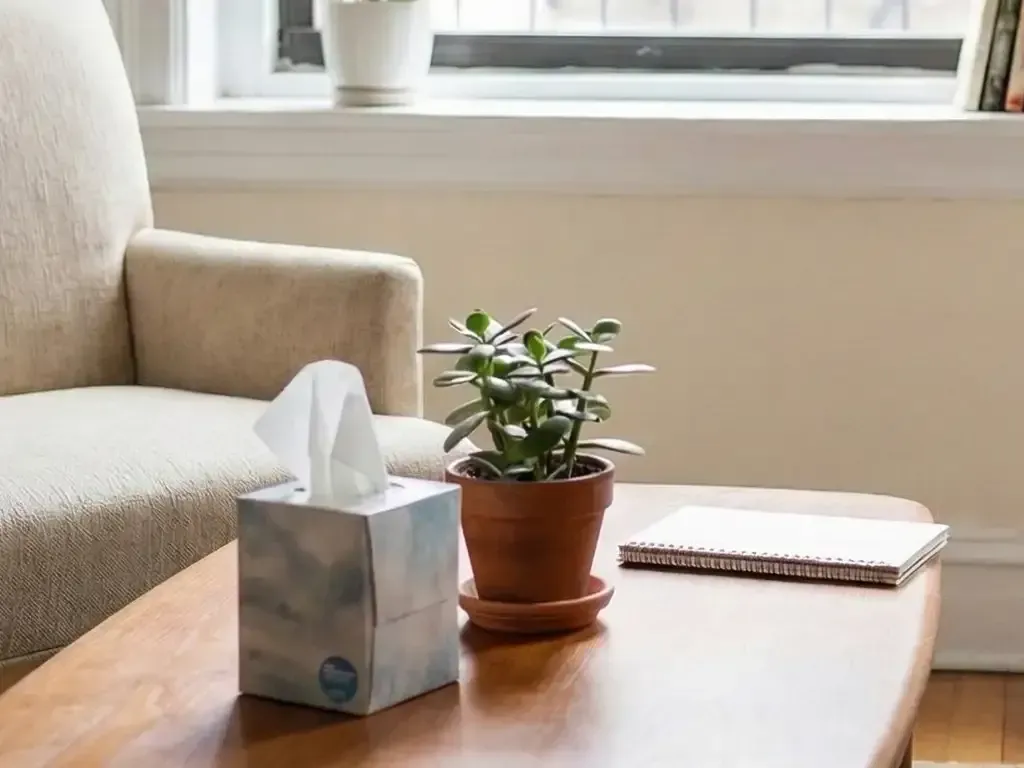
A comfortable NYC therapy office setting featuring a beige armchair, a box of tissues.
By Ryan Savolskis, LCSW March 6, 2026
Nervous about starting therapy in NYC? The first session is a supportive conversation. Learn what to expect, discuss your goals, and find the right fit.

Abstract illustration of calming blue, sage, and gold waves integrating over glowing neural pathways
By Ryan Savolskis, LCSW February 25, 2026
Discover what EMDR therapy in NYC is and how it helps individuals recover from trauma and anxiety. Learn how this structured psychotherapy helps the brain process memories that have become stuck in the nervous system.
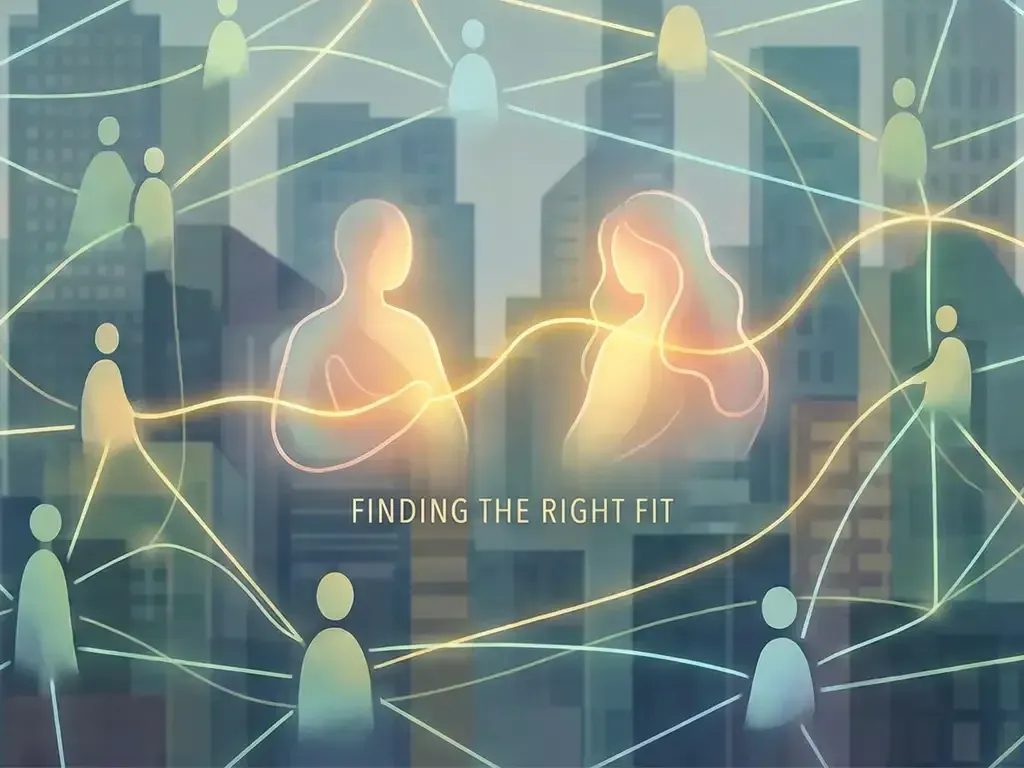
Abstract city connections representing finding the right LGBTQ therapist NYC.
By Ryan Savolskis, LCSW February 18, 2026
Overwhelmed by searching for a therapist in NYC? Learn to prioritize fit and safety over endless profiles. Expert advice from a Midtown Manhattan LCSW.

Split forest path: dark muddy trail of rumination vs. sunny floral path of cognitive reframing.
By Ryan Savolskis, LCSW February 6, 2026
Neuroplasticity shapes your brain through repetition. Break cycles of rumination and depression by building healthier mental habits for lasting change.

Contemplative man sitting in an armchair reflecting on the need for therapy and men's mental health.
By Ryan Savolskis, LCSW January 22, 2026
Only 17% of men seek mental health help. Discover why therapy is a sign of strength, not weakness, and how it helps you handle life’s challenges.
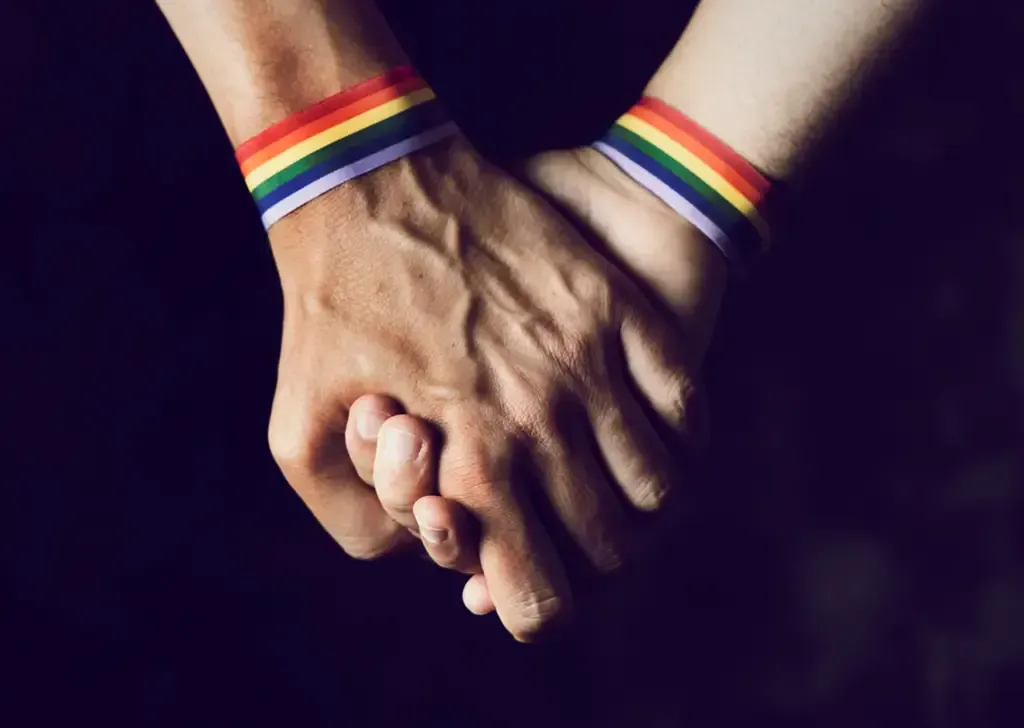
Hands with pride bands clasping, symbolizing the authentic connection and belonging needed for heali
By Ryan Savolskis, LCSW January 13, 2026
Explore substance use in gay culture as a response to trauma and shame—not a trend—and discover healthier ways to build authentic connections.

Silhouette of a person with internal tangled lines representing the internal wound of trauma.
By Ryan Savolskis, LCSW December 4, 2025
Trauma isn't the event - it's the internal response. Explore "Big T" vs. "Little t" trauma, common symptoms, and how to heal without pathologizing your pain.
Woman scrolling on phone, reading about mental health symptoms and self-diagnosis on social media.
By Ryan Savolskis, LCSW October 24, 2025
Social media is full of mental health advice, but it fuels self-diagnosis. Ryan Savolskis, LCSW, NYC therapist explains the dangers and separates fact from fiction.
A stylish gay man looking out a window in a New York City store, reflecting about perfectionism.
By Ryan Savolskis, LCSW October 15, 2025
NYC therapist explores why gay men struggle with perfectionism, how it's linked to shame, and the path to freedom through self-acceptance.

Recent Posts

Call or email Ryan Savolskis Psychotherapy for a free initial consultation.

Relationships in New York City Come With Unique Stressors

Relationships are complex in any environment, but living in New York City can intensify everyday pressures. Many couples juggle demanding work schedules, long hours, crowded commutes, financial pressures from the high cost of living, and limited personal space at home. Even when partners care deeply about each other, these stressors can create tension that slowly builds over time.

In a city that moves quickly, couples sometimes find themselves running on parallel tracks rather than truly connecting. Conversations become logistical—about schedules, rent, errands, or responsibilities—while emotional connection can unintentionally fall to the side.

Couples therapy offers a space to slow down, reflect, and rebuild connection in a thoughtful way.

Below are seven common signs that a relationship could benefit from extra support.

1. You Keep Having the Same Argument

Many couples notice that certain disagreements repeat themselves. It might be about chores, communication, time together, finances, or feeling unappreciated.

Often, the surface argument isn’t the real issue. Beneath recurring conflicts are usually deeper needs—such as wanting to feel heard, valued, or understood. Therapy helps couples move past the cycle of repeating arguments and understand what’s really driving the conflict.

2. The Pressure to Keep Up

You may find that conversations escalate quickly, shut down entirely, or leave both partners feeling misunderstood.

Healthy communication is a skill that most people were never formally taught. Couples therapy often focuses on helping partners slow down conversations, express needs clearly, and listen in ways that promote understanding rather than defensiveness.

3. You Feel More Like Roommates Than Partners

Life in NYC can become incredibly busy. Between work, commuting, social obligations, and responsibilities at home, couples may gradually slip into a routine that feels more functional than connected.

When emotional intimacy starts to fade, partners may feel distant even while living together. Therapy can help couples reconnect and rebuild the emotional bond that initially brought them together.

4. Stress From Work or City Life Is Affecting the Relationship

New York City can be exhilarating—but it can also be exhausting. Long hours, competitive industries, financial pressures, and limited downtime can spill over into relationships.

Sometimes partners unintentionally take stress out on each other or struggle to support one another when both people feel overwhelmed. Couples therapy can help partners navigate these external stressors together rather than feeling like they’re facing them alone.

5. One or Both of You Feel Unheard or Unseen

Feeling emotionally understood is one of the core ingredients of a strong relationship. When partners feel dismissed, ignored, or misunderstood, resentment can quietly build over time.

Therapy provides a structured environment where each partner has space to express their experiences and feel genuinely heard.

6. Trust Has Been Shaken

Trust can be impacted by many things—not just infidelity, but also secrecy, broken promises, or emotional distance.

While rebuilding trust takes time, many couples find that therapy provides guidance and structure for working through difficult conversations and rebuilding a sense of safety in the relationship.

7. You Want to Strengthen the Relationship Before Problems Grow

A common misconception is that couples therapy is only for relationships that are falling apart. In reality, many couples seek therapy because they care about their relationship and want to strengthen it.

Learning new ways to communicate, handle conflict, and support each other can deepen a relationship and prevent future challenges from becoming larger problems.

Support Can Be a Positive Step Forward

Relationships evolve over time, especially in a fast-paced environment like New York City. Stress, responsibilities, and life transitions can create challenges even in loving partnerships.

Seeking couples therapy doesn’t mean something is “wrong” with your relationship. Often, it simply means you’re willing to invest in understanding each other better and building a stronger foundation moving forward.

With the right support, many couples find they’re able to reconnect, communicate more effectively, and navigate life’s pressures together with greater clarity and compassion.

At a Glance: When Couples Therapy in NYC Can Help

  • Every relationship goes through challenging periods—seeking support is a sign of investment, not failure.
  • Living in New York City can place unique pressures on couples, including demanding careers, financial stress, long commutes, and limited downtime.
  • Couples therapy isn’t just for relationships in crisis; many couples seek therapy to strengthen communication, reconnect emotionally, and prevent small issues from becoming larger ones.
  • Recognizing when extra support could help is often the first step toward improving connection and understanding.

Share On

Woman experiencing anxiety and overwhelm stands still in a crowded, fast-moving NYC subway.
By Ryan Savolskis, LCSW March 9, 2026
Does living in NYC intensify your anxiety? Discover how city pressure fuels stress and learn how anxiety therapy in NYC helps you find lasting relief.
A comfortable NYC therapy office setting featuring a beige armchair, a box of tissues.
By Ryan Savolskis, LCSW March 6, 2026
Nervous about starting therapy in NYC? The first session is a supportive conversation. Learn what to expect, discuss your goals, and find the right fit.
Abstract illustration of calming blue, sage, and gold waves integrating over glowing neural pathways
By Ryan Savolskis, LCSW February 25, 2026
Discover what EMDR therapy in NYC is and how it helps individuals recover from trauma and anxiety. Learn how this structured psychotherapy helps the brain process memories that have become stuck in the nervous system.
Abstract city connections representing finding the right LGBTQ therapist NYC.
By Ryan Savolskis, LCSW February 18, 2026
Overwhelmed by searching for a therapist in NYC? Learn to prioritize fit and safety over endless profiles. Expert advice from a Midtown Manhattan LCSW.
Split forest path: dark muddy trail of rumination vs. sunny floral path of cognitive reframing.
By Ryan Savolskis, LCSW February 6, 2026
Neuroplasticity shapes your brain through repetition. Break cycles of rumination and depression by building healthier mental habits for lasting change.
Contemplative man sitting in an armchair reflecting on the need for therapy and men's mental health.
By Ryan Savolskis, LCSW January 22, 2026
Only 17% of men seek mental health help. Discover why therapy is a sign of strength, not weakness, and how it helps you handle life’s challenges.
Hands with pride bands clasping, symbolizing the authentic connection and belonging needed for heali
By Ryan Savolskis, LCSW January 13, 2026
Explore substance use in gay culture as a response to trauma and shame—not a trend—and discover healthier ways to build authentic connections.

Silhouette of a person with internal tangled lines representing the internal wound of trauma.
By Ryan Savolskis, LCSW December 4, 2025
Trauma isn't the event - it's the internal response. Explore "Big T" vs. "Little t" trauma, common symptoms, and how to heal without pathologizing your pain.
Woman scrolling on phone, reading about mental health symptoms and self-diagnosis on social media.
By Ryan Savolskis, LCSW October 24, 2025
Social media is full of mental health advice, but it fuels self-diagnosis. Ryan Savolskis, LCSW, NYC therapist explains the dangers and separates fact from fiction.
Show More