Ryan Savolskis, LCSW
April 7, 2026

Benefits of Telehealth Therapy in NYC

Image for Ryan Savolskis Psychotherapy Blog. Psychotherapist in New York, NY.
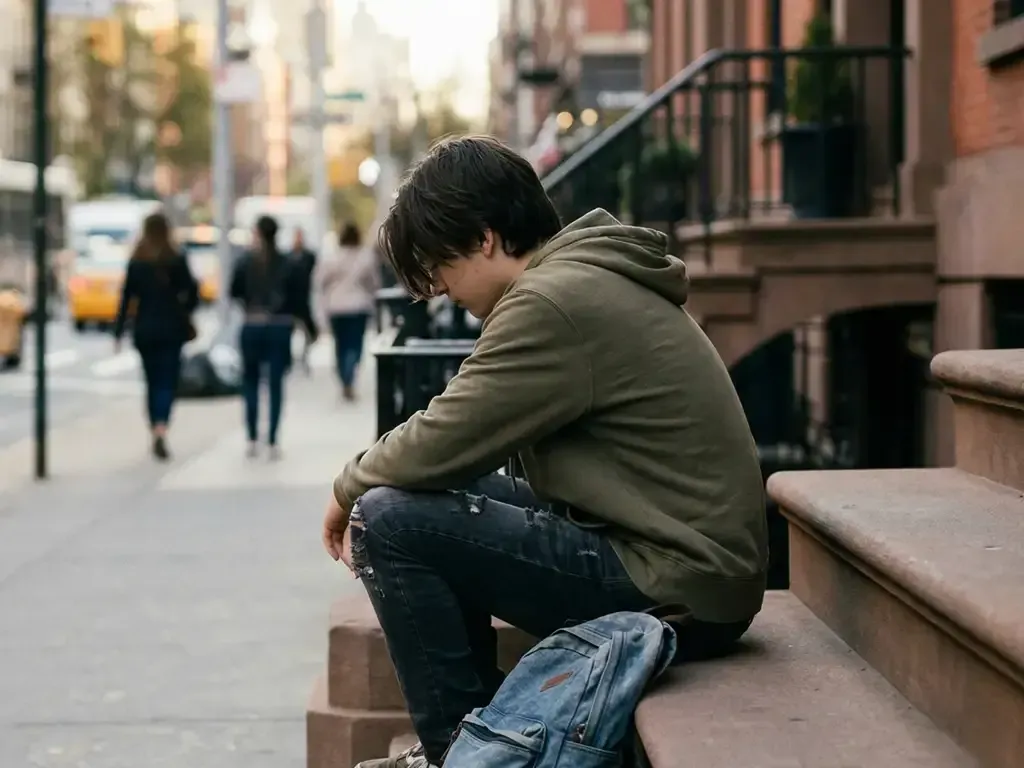
Lone NYC student in olive hoodie on brownstone stoop. Local teen counseling in New York City, NY.
By Ryan Savolskis, LCSW March 27, 2026
NYC therapist Ryan Savolskis helps parents recognize the signs their teen needs therapy, and how to start that conversation.
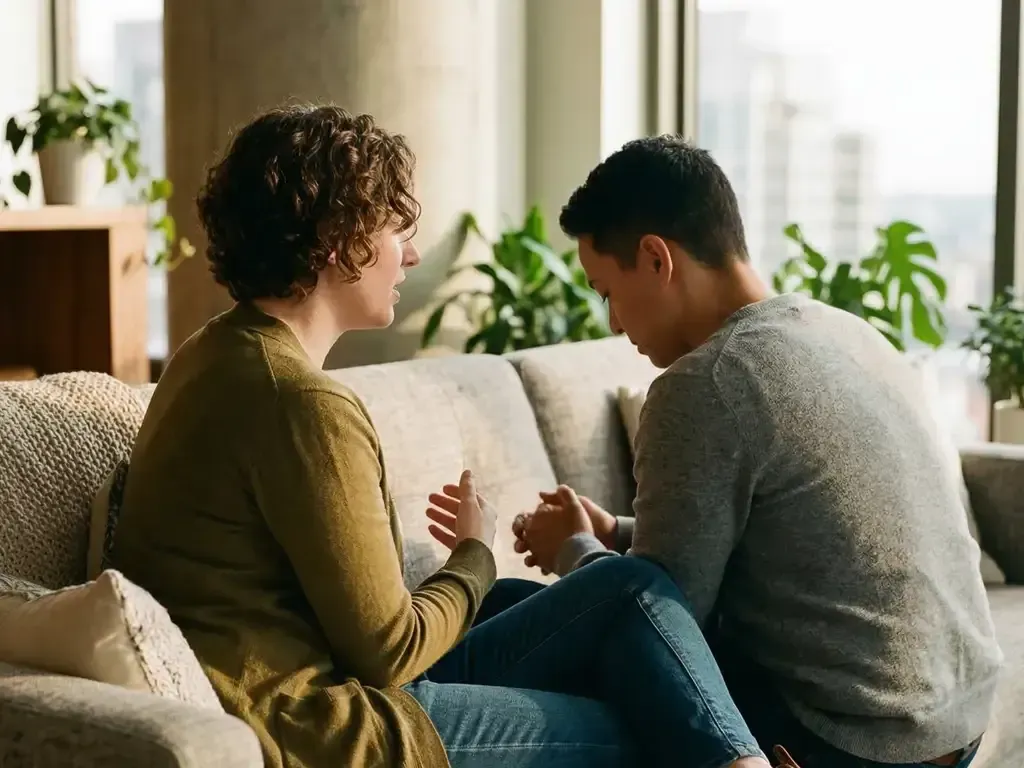
Two partners sitting on a couch having a conversation, couples therapy support in New York City.
By Ryan Savolskis, LCSW March 17, 2026
Feeling disconnected or stuck in the same arguments? Ryan Savolskis, LCSW shares 7 signs couples therapy in NYC could strengthen your relationship.
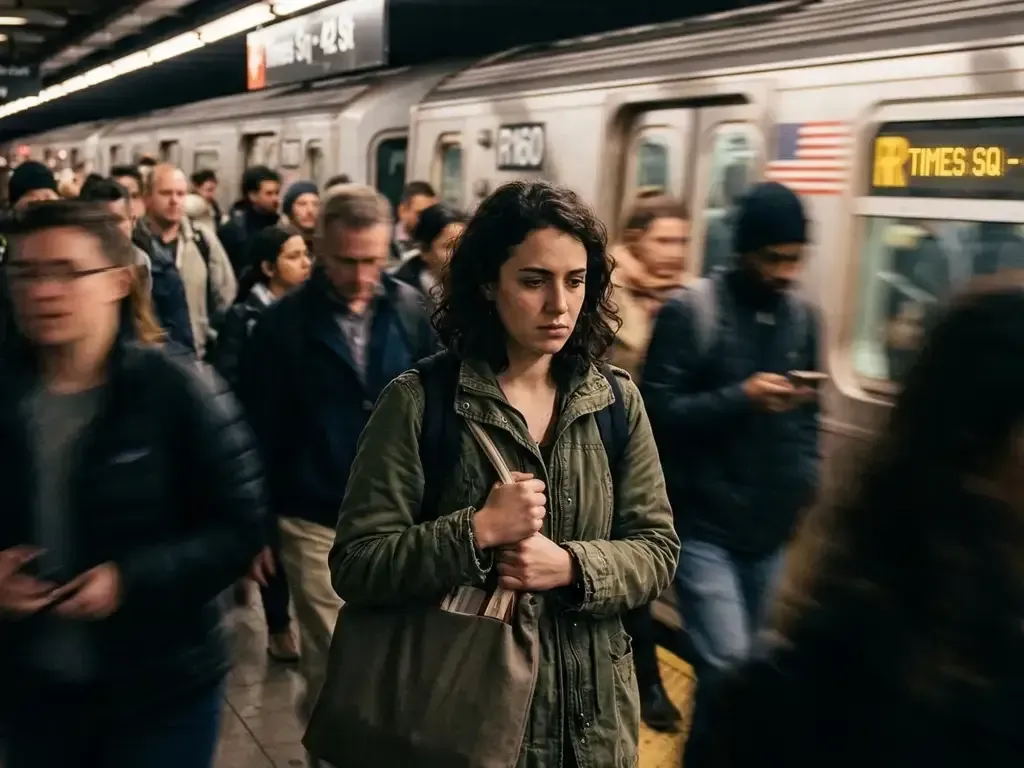
Woman experiencing anxiety and overwhelm stands still in a crowded, fast-moving NYC subway.
By Ryan Savolskis, LCSW March 9, 2026
Does living in NYC intensify your anxiety? Discover how city pressure fuels stress and learn how anxiety therapy in NYC helps you find lasting relief.
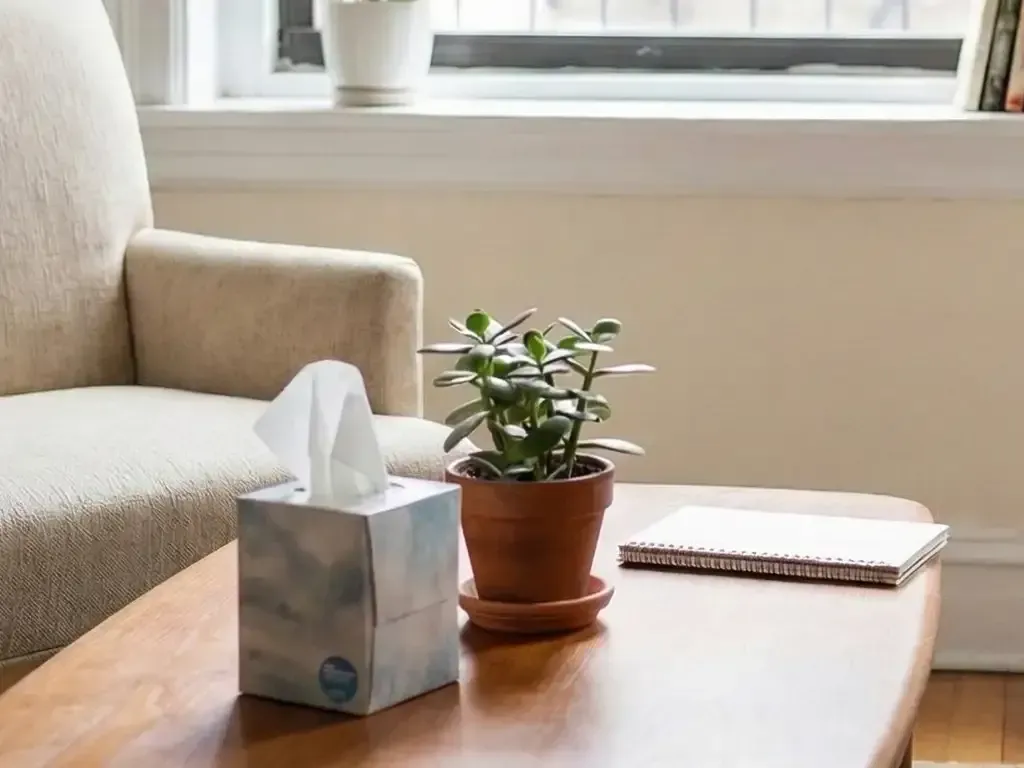
A comfortable NYC therapy office setting featuring a beige armchair, a box of tissues.
By Ryan Savolskis, LCSW March 6, 2026
Nervous about starting therapy in NYC? The first session is a supportive conversation. Learn what to expect, discuss your goals, and find the right fit.

Abstract illustration of calming blue, sage, and gold waves integrating over glowing neural pathways
By Ryan Savolskis, LCSW February 25, 2026
Discover what EMDR therapy in NYC is and how it helps individuals recover from trauma and anxiety. Learn how this structured psychotherapy helps the brain process memories that have become stuck in the nervous system.
Abstract city connections representing finding the right LGBTQ therapist NYC.
By Ryan Savolskis, LCSW February 18, 2026
Overwhelmed by searching for a therapist in NYC? Learn to prioritize fit and safety over endless profiles. Expert advice from a Midtown Manhattan LCSW.

Split forest path: dark muddy trail of rumination vs. sunny floral path of cognitive reframing.
By Ryan Savolskis, LCSW February 6, 2026
Neuroplasticity shapes your brain through repetition. Break cycles of rumination and depression by building healthier mental habits for lasting change.

Contemplative man sitting in an armchair reflecting on the need for therapy and men's mental health.
By Ryan Savolskis, LCSW January 22, 2026
Only 17% of men seek mental health help. Discover why therapy is a sign of strength, not weakness, and how it helps you handle life’s challenges.
Hands with pride bands clasping, symbolizing the authentic connection and belonging needed for heali
By Ryan Savolskis, LCSW January 13, 2026
Explore substance use in gay culture as a response to trauma and shame—not a trend—and discover healthier ways to build authentic connections.
Silhouette of a person with internal tangled lines representing the internal wound of trauma.
By Ryan Savolskis, LCSW December 4, 2025
Trauma isn't the event - it's the internal response. Explore "Big T" vs. "Little t" trauma, common symptoms, and how to heal without pathologizing your pain.

Recent Posts

Call or email Ryan Savolskis Psychotherapy for a free initial consultation.

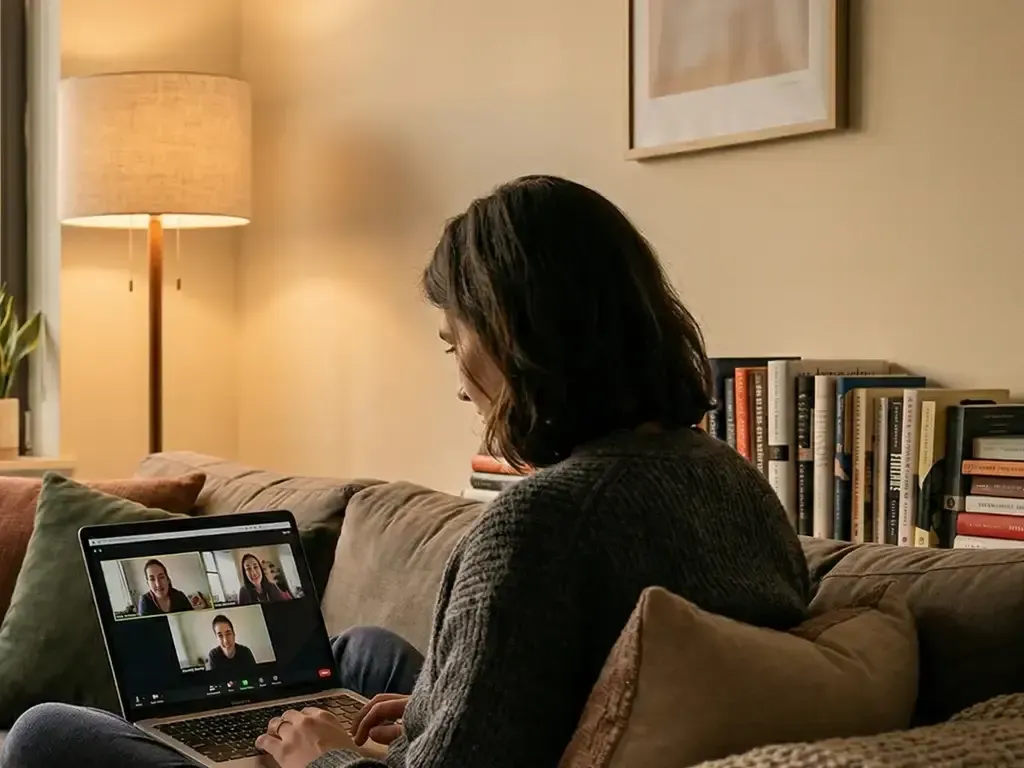
Over the past few years, something has quietly but powerfully shifted in the way we approach mental health care. What once felt like a temporary solution during COVID has become a lasting, meaningful option for many people: telehealth therapy. In a city like New York, where life moves fast and schedules fill up even faster, virtual therapy isn’t just convenient—it’s often exactly what makes therapy possible in the first place.

Before the pandemic, the idea of meeting with a therapist through a screen felt unfamiliar, maybe even a little impersonal. But as more people gave it a chance, something surprising happened. It worked. Not only did it work, but for many New Yorkers, it worked better than expected. Telehealth therapy became less about “making do” and more about choosing a format that actually fits into real life.

One of the biggest benefits of telehealth therapy in NYC is simply the time it gives back. Anyone who has lived here knows that getting from one place to another can easily take 30 to 60 minutes, sometimes more. When your day is already packed with work, responsibilities, and trying to maintain some kind of social life, that extra time can be the difference between going to therapy and canceling. Telehealth removes that barrier. You can log in from your apartment, your office, or even a quiet space during your day, making it much easier to show up consistently.

There’s also something to be said about comfort. Being in your own space can make opening up feel a little less intimidating. You’re not sitting in an unfamiliar office wondering how you’re being perceived. Instead, you’re in an environment that already feels safe and known. For many people, especially those dealing with anxiety or past trauma, that sense of control can make a real difference in how deeply they’re able to engage in the work.

Privacy is another important factor, especially in a city where it can sometimes feel like you’re always being seen. Telehealth therapy allows you to access support without worrying about running into someone in a waiting room or explaining where you’re going every week. It creates a level of discretion that can make starting therapy feel more approachable.

Telehealth also expands access in a way that traditional in-person therapy sometimes can’t. Instead of being limited to therapists within commuting distance, you’re able to connect with someone who truly fits your needs—whether that’s someone who specializes in anxiety, depression, trauma, or LGBTQ+ affirming care. In a diverse and fast-paced city like New York, having access to the right therapist, not just the closest one, matters.

Another benefit that often gets overlooked is consistency. Life in NYC is unpredictable. Work runs late, trains get delayed, the weather turns, plans shift. With telehealth therapy, it becomes easier to keep your appointments even when life gets chaotic. And consistency is where so much of the real progress in therapy happens. Showing up regularly, even when things feel busy or overwhelming, is often what leads to meaningful change over time.

Some people still wonder if telehealth therapy is as effective as in-person sessions. The research—and more importantly, people’s lived experiences—suggest that it is. The connection, the insight, and the growth are still there. What matters most is the relationship you build with your therapist and your willingness to engage in the process. For many people, telehealth actually makes it easier to stay engaged..

Telehealth therapy isn’t the right fit for everyone, and that’s okay. But for many New Yorkers, it has opened the door to something that once felt out of reach. It has made therapy more flexible, more accessible, and more integrated into everyday life. And in a city that asks so much of you, having a space that is truly yours, even for just 45 minutes, can make all the difference.

Telehealth Therapy Is Changing Mental Health Care in NYC

Telehealth therapy has become a lasting part of mental health care in New York City since COVID-19, not just a temporary solution. Virtual therapy makes it easier for busy New Yorkers to attend sessions consistently without commuting across the city. Many people feel more comfortable opening up when they are in their own space, which can lead to more productive sessions. Telehealth also increases privacy and access to specialized therapists who may not be located nearby. Research shows that telehealth therapy is just as effective as in-person therapy for many mental health concerns, including anxiety, depression, and trauma.

Share On

Lone NYC student in olive hoodie on brownstone stoop. Local teen counseling in New York City, NY.
By Ryan Savolskis, LCSW March 27, 2026
NYC therapist Ryan Savolskis helps parents recognize the signs their teen needs therapy, and how to start that conversation.
Two partners sitting on a couch having a conversation, couples therapy support in New York City.
By Ryan Savolskis, LCSW March 17, 2026
Feeling disconnected or stuck in the same arguments? Ryan Savolskis, LCSW shares 7 signs couples therapy in NYC could strengthen your relationship.
Woman experiencing anxiety and overwhelm stands still in a crowded, fast-moving NYC subway.
By Ryan Savolskis, LCSW March 9, 2026
Does living in NYC intensify your anxiety? Discover how city pressure fuels stress and learn how anxiety therapy in NYC helps you find lasting relief.
A comfortable NYC therapy office setting featuring a beige armchair, a box of tissues.
By Ryan Savolskis, LCSW March 6, 2026
Nervous about starting therapy in NYC? The first session is a supportive conversation. Learn what to expect, discuss your goals, and find the right fit.
Abstract illustration of calming blue, sage, and gold waves integrating over glowing neural pathways
By Ryan Savolskis, LCSW February 25, 2026
Discover what EMDR therapy in NYC is and how it helps individuals recover from trauma and anxiety. Learn how this structured psychotherapy helps the brain process memories that have become stuck in the nervous system.
Abstract city connections representing finding the right LGBTQ therapist NYC.
By Ryan Savolskis, LCSW February 18, 2026
Overwhelmed by searching for a therapist in NYC? Learn to prioritize fit and safety over endless profiles. Expert advice from a Midtown Manhattan LCSW.
Split forest path: dark muddy trail of rumination vs. sunny floral path of cognitive reframing.
By Ryan Savolskis, LCSW February 6, 2026
Neuroplasticity shapes your brain through repetition. Break cycles of rumination and depression by building healthier mental habits for lasting change.
Contemplative man sitting in an armchair reflecting on the need for therapy and men's mental health.
By Ryan Savolskis, LCSW January 22, 2026
Only 17% of men seek mental health help. Discover why therapy is a sign of strength, not weakness, and how it helps you handle life’s challenges.
Hands with pride bands clasping, symbolizing the authentic connection and belonging needed for heali
By Ryan Savolskis, LCSW January 13, 2026
Explore substance use in gay culture as a response to trauma and shame—not a trend—and discover healthier ways to build authentic connections.

Show More