
Ryan Savolskis, LCSW
February 18, 2026

How to Find the Right Therapist in NYC (What to Look For)

Image for Ryan Savolskis Psychotherapy Blog. Psychotherapist in New York, NY.
Split forest path: dark muddy trail of rumination vs. sunny floral path of cognitive reframing.
By Ryan Savolskis, LCSW February 6, 2026
Neuroplasticity shapes your brain through repetition. Break cycles of rumination and depression by building healthier mental habits for lasting change.

Contemplative man sitting in an armchair reflecting on the need for therapy and men's mental health.
By Ryan Savolskis, LCSW January 22, 2026
Only 17% of men seek mental health help. Discover why therapy is a sign of strength, not weakness, and how it helps you handle life’s challenges.
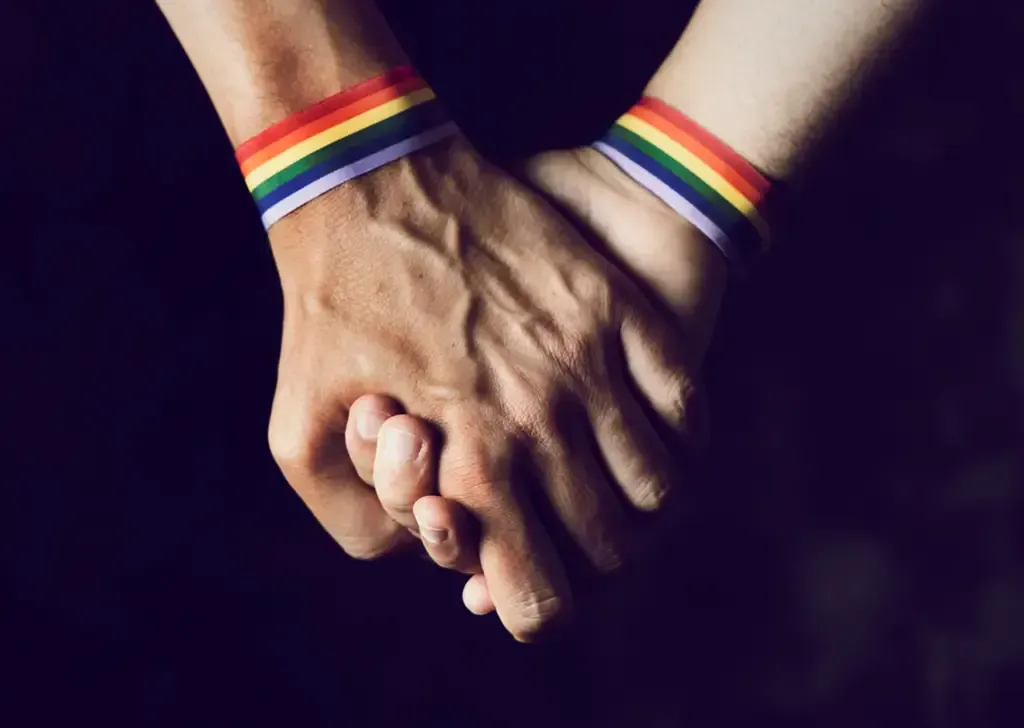
Hands with pride bands clasping, symbolizing the authentic connection and belonging needed for heali
By Ryan Savolskis, LCSW January 13, 2026
Explore substance use in gay culture as a response to trauma and shame—not a trend—and discover healthier ways to build authentic connections.

Silhouette of a person with internal tangled lines representing the internal wound of trauma.
By Ryan Savolskis, LCSW December 4, 2025
Trauma isn't the event - it's the internal response. Explore "Big T" vs. "Little t" trauma, common symptoms, and how to heal without pathologizing your pain.
Woman scrolling on phone, reading about mental health symptoms and self-diagnosis on social media.
By Ryan Savolskis, LCSW October 24, 2025
Social media is full of mental health advice, but it fuels self-diagnosis. Ryan Savolskis, LCSW, NYC therapist explains the dangers and separates fact from fiction.
A stylish gay man looking out a window in a New York City store, reflecting about perfectionism.
By Ryan Savolskis, LCSW October 15, 2025
NYC therapist explores why gay men struggle with perfectionism, how it's linked to shame, and the path to freedom through self-acceptance.
Man in distress. Mental health therapy, Ryan Savolskis, LCSW.
By Ryan Savolskis, LCSW April 30, 2025
Many men avoid therapy due to stigma and fear—but struggling alone isn’t strength. It’s time to talk, heal, and redefine what it means to be strong.
Sunset view from a serene pier extending over calm ocean waters, creating a tranquil and peaceful.
By Ryan Savolskis, LCSW November 8, 2024
Explore top therapies—CBT, DBT, EMDR & more—to find the best fit for your needs. A guide to help you choose the right approach for mental health support.
A teen sits quietly by a lake in New York, NY. Photo for Ryan Savolskis Psychotherapy, teen therapy.
By Ryan Savolskis, LCSW November 3, 2024
Explore how therapy fosters trust, engagement, and growth for teens, with activities, empathy, and family collaboration guiding them to self-discovery and resilience.
A contemplative gay man sits shirtless in blue lighting, with a rainbow prism across hi
By Ryan Savolskis, LCSW October 31, 2024
Learn how therapy helps gay men heal trauma, confront shame, and embrace their identity in a supportive, affirming environment.

Recent Posts

Call or email Ryan Savolskis Psychotherapy for a free initial consultation.

If you’re searching for therapy in NYC, you might already feel overwhelmed. There are

thousands of therapists in New York City, dozens of therapy approaches, and countless directories to scroll through.

And when you’re already anxious, stressed, or struggling, trying to choose the right therapist can feel like another impossible decision.

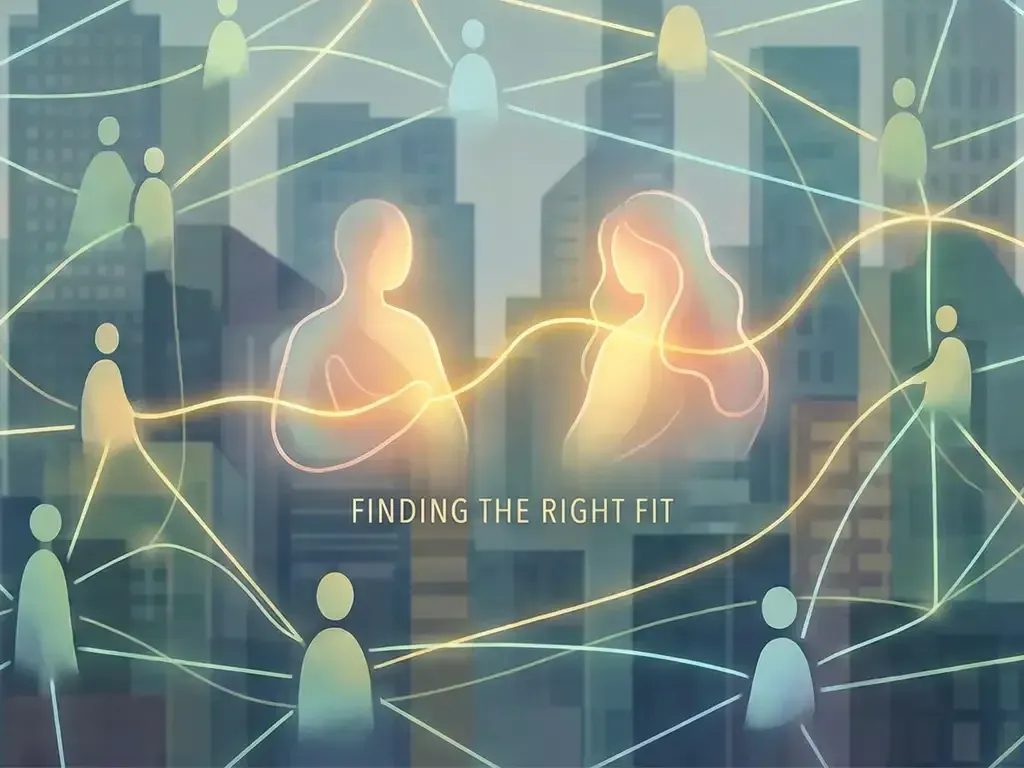
The truth is: finding the right therapist in NYC isn’t about choosing the “best” therapist — it’s about finding the right fit for you.

Here’s what actually matters when looking for a therapist in New York City.

Why Finding a Therapist in NYC Can Feel So Overwhelming

New York has one of the largest therapy markets in the world. That means:

  • Endless therapist profiles
  • Different specialties and modalities
  • Wide price ranges
  • In-person vs virtual options
  • Insurance vs private pay

For many people, this leads to decision paralysis — or choosing quickly and hoping for the best. But therapy is a relationship. And the relationship is what helps you grow.

1. Look for a Therapist Who Specializes in What You’re

Many therapists treat “anxiety and depression,” but specialties matter more than people realize.

For example, you might specifically want:

  • trauma therapy
  • LGBTQ-affirming therapy
  • therapy for anxiety
  • relationship therapy
  • EMDR therapy

When a therapist regularly works with your exact concerns, they understand the patterns, fears, and experiences that come with them.

If you’re searching for therapy in NYC for a specific issue, include that in your search — for example: “anxiety therapist NYC” or “LGBTQ therapist NYC.”

2. Pay Attention to How the Therapist Describes Their

Approach

Every therapist works differently.

Some are structured and skill-based.

Some are insight-oriented.

Some are relational and conversational.

None are better — just different.

When reading therapist profiles, notice:

  • Do they sound warm and relatable?
  • Do they explain how they help?
  • Do you feel understood reading it?

If a therapist’s writing resonates with you, that’s often a good sign you’ll connect in session.

3. Consider the Practical Fit (Yes, It Matters)

In a city like New York, logistics impact consistency.

Ask yourself:

  • Is the location convenient?
  • Do they offer virtual sessions?
  • Is the fee sustainable for me?
  • Do their hours work with my schedule?

Even the best therapist won’t help if sessions become stressful to attend. Sustainable therapy is effective therapy.

4. Notice How You Feel in the Consultation

Most therapists in NYC offer a brief consultation call. This is not just for them — it’s for you.

During the call, ask yourself:

  • Do I feel comfortable talking to them?
  • Do they listen or interrupt?
  • Do they understand what I’m saying?
  • Do I feel safe being honest?

You don’t need instant trust — but you should feel potential for it. Therapy works best when you feel emotionally safe and understood.

5. Know That “Fit” Matters More Than Modality

Research consistently shows that the therapeutic relationship is one of the strongest predictors of successful therapy outcomes — more than the specific method used.

In other words: A therapist you connect with matters more than whether they use CBT, psychodynamic therapy, or EMDR.

So if you’re choosing between therapists in NYC, prioritize:

  • feeling understood
  • emotional safety
  • authenticity
  • connection

Skills matter. Relationship matters more.

6. It’s Okay to Change Therapists

Many people worry they’re “doing therapy wrong” if they switch therapists. But in reality, finding the right therapist in NYC sometimes takes more than one try.

Good therapists expect this. Ethical therapists support this.

The goal isn’t loyalty — it’s growth.

7. Trust Your Internal Sense of Fit

You don’t need a perfect reason to choose a therapist. Often, people say:

  • “I just felt comfortable.”
  • “They seemed to get me.”
  • “I could be myself.”

That intuitive sense is meaningful.

Therapy is one of the few places where you should feel fully yourself — not managed, performed, or filtered.

Final Thoughts: Finding the Right Therapist in NYC

Searching for therapy in NYC can feel intimidating, but the process becomes clearer when you focus on what truly matters:

  • relevant specialization
  • emotional connection
  • practical sustainability
  • sense of safety

The right therapist isn’t the most impressive or experienced on paper — it’s the one you can be real with. And that’s where change happens.

If you’re looking for therapy in NYC and want a warm, affirming, and relational approach to anxiety, trauma, or LGBTQ+ concerns, you’re welcome to learn more about my practice or reach out for a consultation.

Share On

Split forest path: dark muddy trail of rumination vs. sunny floral path of cognitive reframing.
By Ryan Savolskis, LCSW February 6, 2026
Neuroplasticity shapes your brain through repetition. Break cycles of rumination and depression by building healthier mental habits for lasting change.
Contemplative man sitting in an armchair reflecting on the need for therapy and men's mental health.
By Ryan Savolskis, LCSW January 22, 2026
Only 17% of men seek mental health help. Discover why therapy is a sign of strength, not weakness, and how it helps you handle life’s challenges.
Hands with pride bands clasping, symbolizing the authentic connection and belonging needed for heali
By Ryan Savolskis, LCSW January 13, 2026
Explore substance use in gay culture as a response to trauma and shame—not a trend—and discover healthier ways to build authentic connections.

Silhouette of a person with internal tangled lines representing the internal wound of trauma.
By Ryan Savolskis, LCSW December 4, 2025
Trauma isn't the event - it's the internal response. Explore "Big T" vs. "Little t" trauma, common symptoms, and how to heal without pathologizing your pain.
Woman scrolling on phone, reading about mental health symptoms and self-diagnosis on social media.
By Ryan Savolskis, LCSW October 24, 2025
Social media is full of mental health advice, but it fuels self-diagnosis. Ryan Savolskis, LCSW, NYC therapist explains the dangers and separates fact from fiction.
A stylish gay man looking out a window in a New York City store, reflecting about perfectionism.
By Ryan Savolskis, LCSW October 15, 2025
NYC therapist explores why gay men struggle with perfectionism, how it's linked to shame, and the path to freedom through self-acceptance.
Man in distress. Mental health therapy, Ryan Savolskis, LCSW.
By Ryan Savolskis, LCSW April 30, 2025
Many men avoid therapy due to stigma and fear—but struggling alone isn’t strength. It’s time to talk, heal, and redefine what it means to be strong.
Sunset view from a serene pier extending over calm ocean waters, creating a tranquil and peaceful.
By Ryan Savolskis, LCSW November 8, 2024
Explore top therapies—CBT, DBT, EMDR & more—to find the best fit for your needs. A guide to help you choose the right approach for mental health support.
A teen sits quietly by a lake in New York, NY. Photo for Ryan Savolskis Psychotherapy, teen therapy.
By Ryan Savolskis, LCSW November 3, 2024
Explore how therapy fosters trust, engagement, and growth for teens, with activities, empathy, and family collaboration guiding them to self-discovery and resilience.
Show More