
Explore the benefits of telehealth therapy in NYC. Save commute time, gain privacy, and find the right therapist. By Ryan Savolskis, LCSW.

NYC therapist Ryan Savolskis helps parents recognize the signs their teen needs therapy, and how to start that conversation.

Feeling disconnected or stuck in the same arguments? Ryan Savolskis, LCSW shares 7 signs couples therapy in NYC could strengthen your relationship.
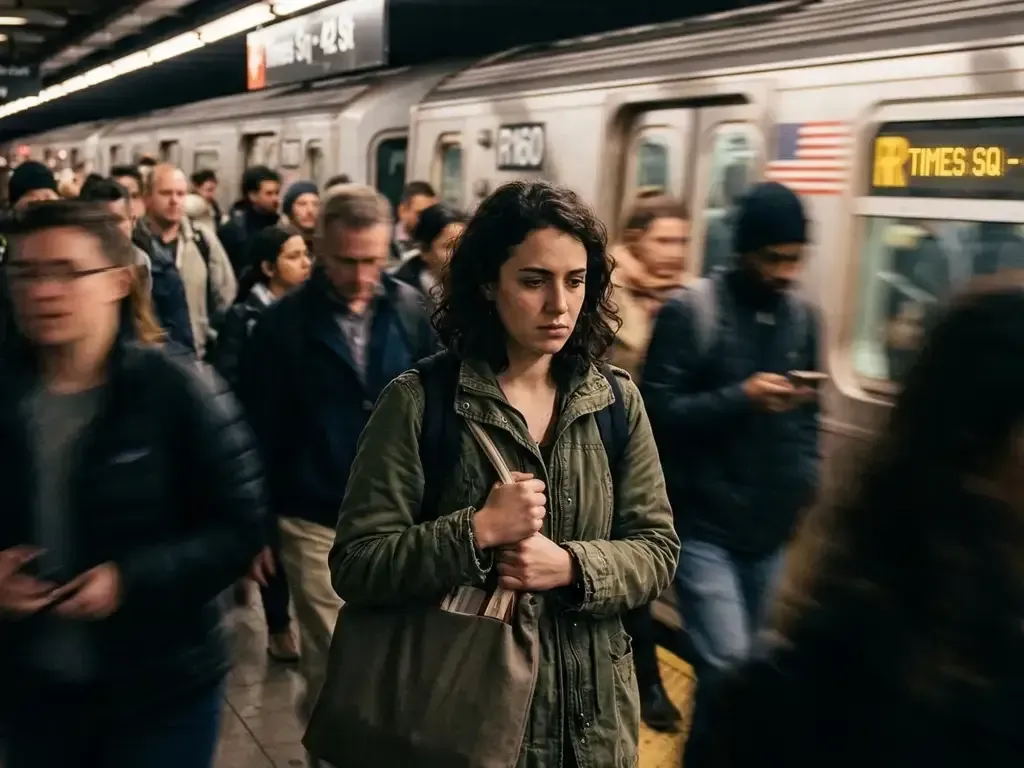
Does living in NYC intensify your anxiety? Discover how city pressure fuels stress and learn how anxiety therapy in NYC helps you find lasting relief.
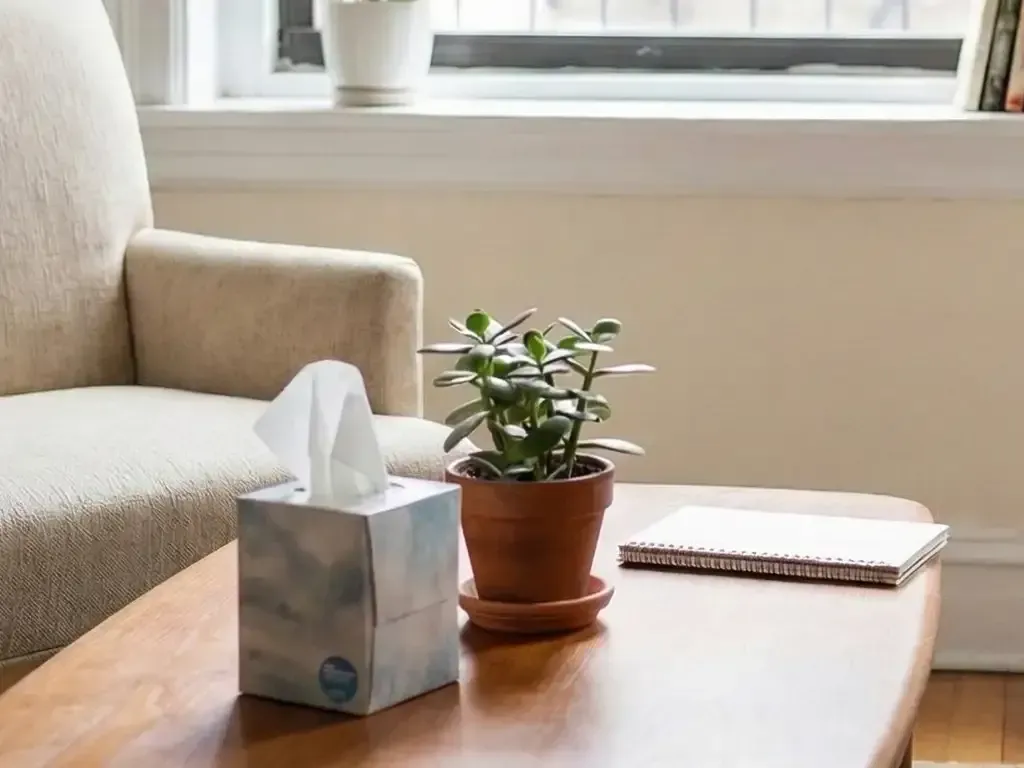
Nervous about starting therapy in NYC? The first session is a supportive conversation. Learn what to expect, discuss your goals, and find the right fit.

Discover what EMDR therapy in NYC is and how it helps individuals recover from trauma and anxiety. Learn how this structured psychotherapy helps the brain process memories that have become stuck in the nervous system.
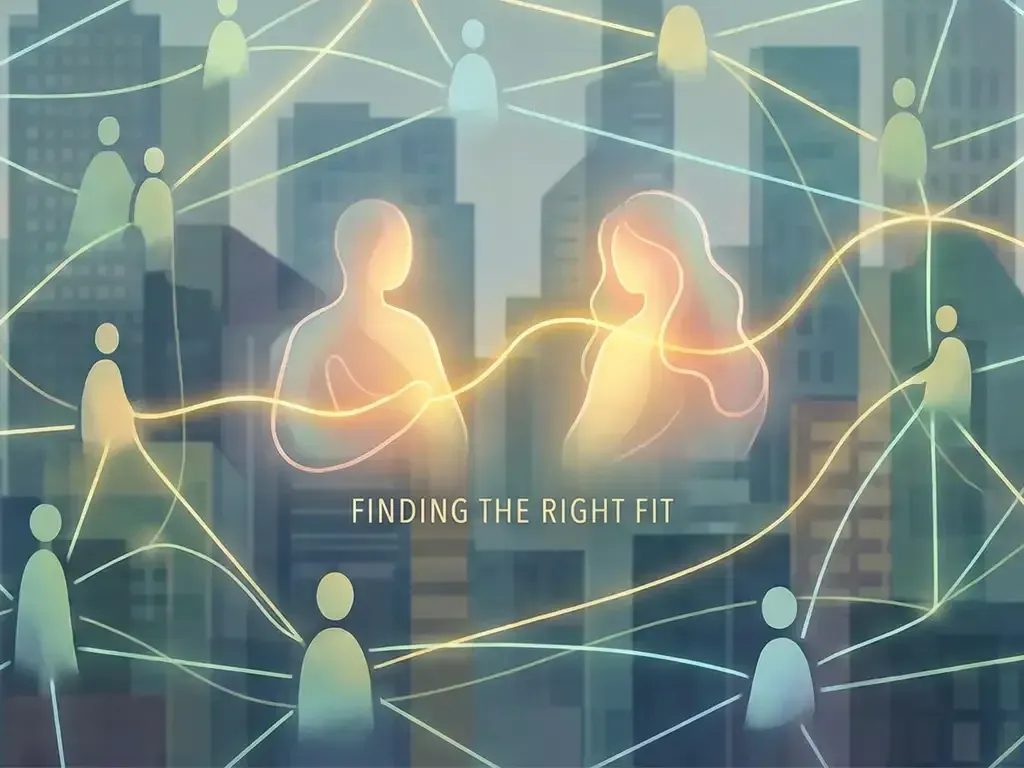
Overwhelmed by searching for a therapist in NYC? Learn to prioritize fit and safety over endless profiles. Expert advice from a Midtown Manhattan LCSW.

Only 17% of men seek mental health help. Discover why therapy is a sign of strength, not weakness, and how it helps you handle life’s challenges.
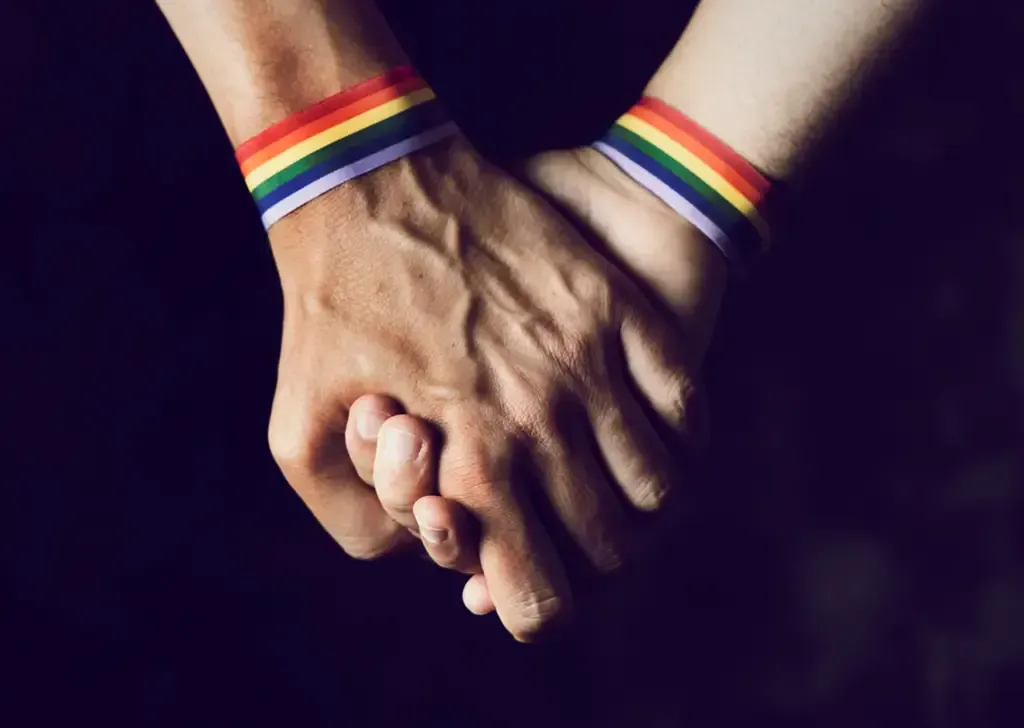
Explore substance use in gay culture as a response to trauma and shame—not a trend—and discover healthier ways to build authentic connections.
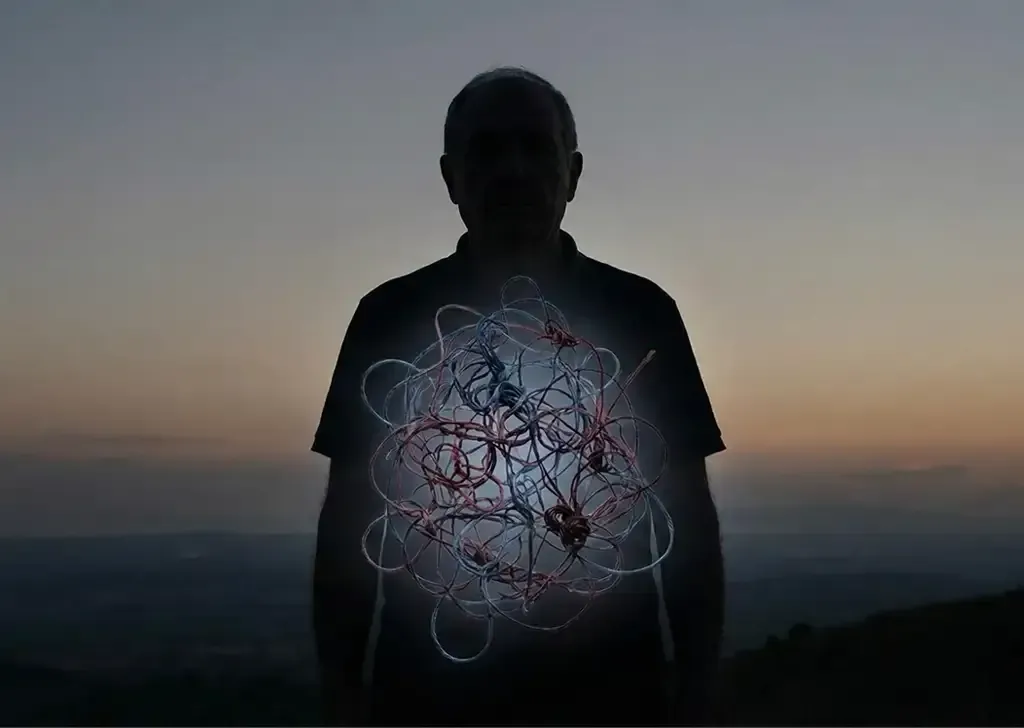
Trauma isn't the event - it's the internal response. Explore "Big T" vs. "Little t" trauma, common symptoms, and how to heal without pathologizing your pain.
Explore the benefits of telehealth therapy in NYC. Save commute time, gain privacy, and find the right therapist. By Ryan Savolskis, LCSW.
NYC therapist Ryan Savolskis helps parents recognize the signs their teen needs therapy, and how to start that conversation.
Feeling disconnected or stuck in the same arguments? Ryan Savolskis, LCSW shares 7 signs couples therapy in NYC could strengthen your relationship.
Does living in NYC intensify your anxiety? Discover how city pressure fuels stress and learn how anxiety therapy in NYC helps you find lasting relief.
Nervous about starting therapy in NYC? The first session is a supportive conversation. Learn what to expect, discuss your goals, and find the right fit.
Discover what EMDR therapy in NYC is and how it helps individuals recover from trauma and anxiety. Learn how this structured psychotherapy helps the brain process memories that have become stuck in the nervous system.
Overwhelmed by searching for a therapist in NYC? Learn to prioritize fit and safety over endless profiles. Expert advice from a Midtown Manhattan LCSW.
Only 17% of men seek mental health help. Discover why therapy is a sign of strength, not weakness, and how it helps you handle life’s challenges.
Explore substance use in gay culture as a response to trauma and shame—not a trend—and discover healthier ways to build authentic connections.