
Ryan Savolskis, LCSW
January 22, 2026

Why Guys Actually Need Therapy: Breaking the Silence on Men’s Mental Health

Image for Ryan Savolskis Psychotherapy Blog. Psychotherapist in New York, NY.
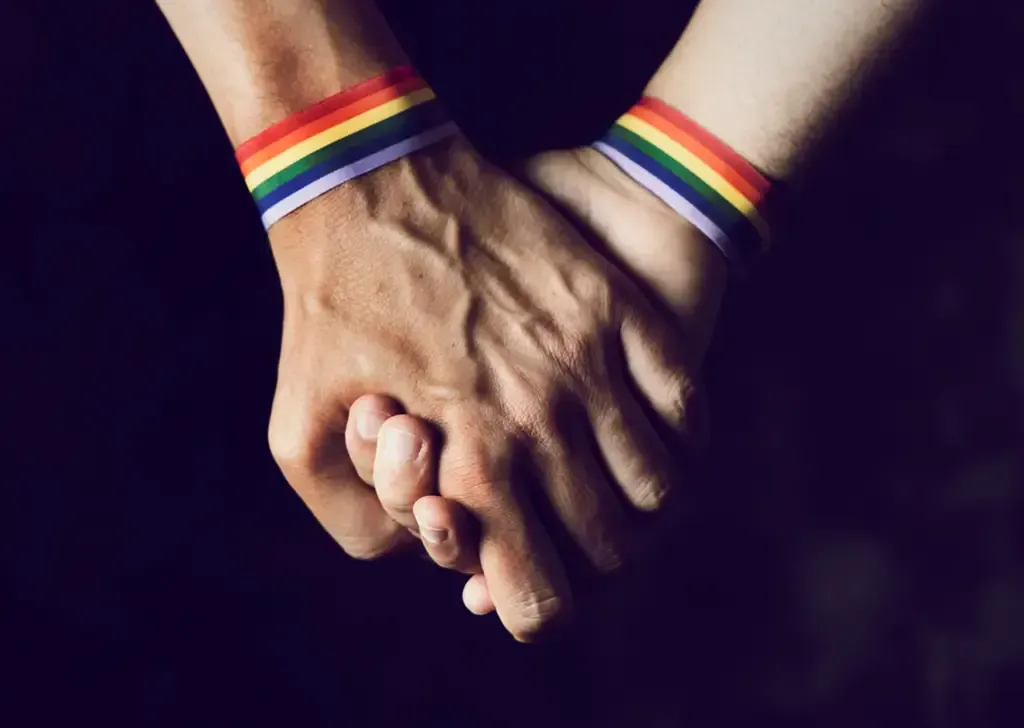
Hands with pride bands clasping, symbolizing the authentic connection and belonging needed for heali
By Ryan Savolskis, LCSW January 13, 2026
Explore substance use in gay culture as a response to trauma and shame—not a trend—and discover healthier ways to build authentic connections.

Silhouette of a person with internal tangled lines representing the internal wound of trauma.
By Ryan Savolskis, LCSW December 4, 2025
Trauma isn't the event - it's the internal response. Explore "Big T" vs. "Little t" trauma, common symptoms, and how to heal without pathologizing your pain.
Woman scrolling on phone, reading about mental health symptoms and self-diagnosis on social media.
By Ryan Savolskis, LCSW October 24, 2025
Social media is full of mental health advice, but it fuels self-diagnosis. Ryan Savolskis, LCSW, NYC therapist explains the dangers and separates fact from fiction.
A stylish gay man looking out a window in a New York City store, reflecting about perfectionism.
By Ryan Savolskis, LCSW October 15, 2025
NYC therapist explores why gay men struggle with perfectionism, how it's linked to shame, and the path to freedom through self-acceptance.
Man in distress. Mental health therapy, Ryan Savolskis, LCSW.
By Ryan Savolskis, LCSW April 30, 2025
Many men avoid therapy due to stigma and fear—but struggling alone isn’t strength. It’s time to talk, heal, and redefine what it means to be strong.
Sunset view from a serene pier extending over calm ocean waters, creating a tranquil and peaceful.
By Ryan Savolskis, LCSW November 8, 2024
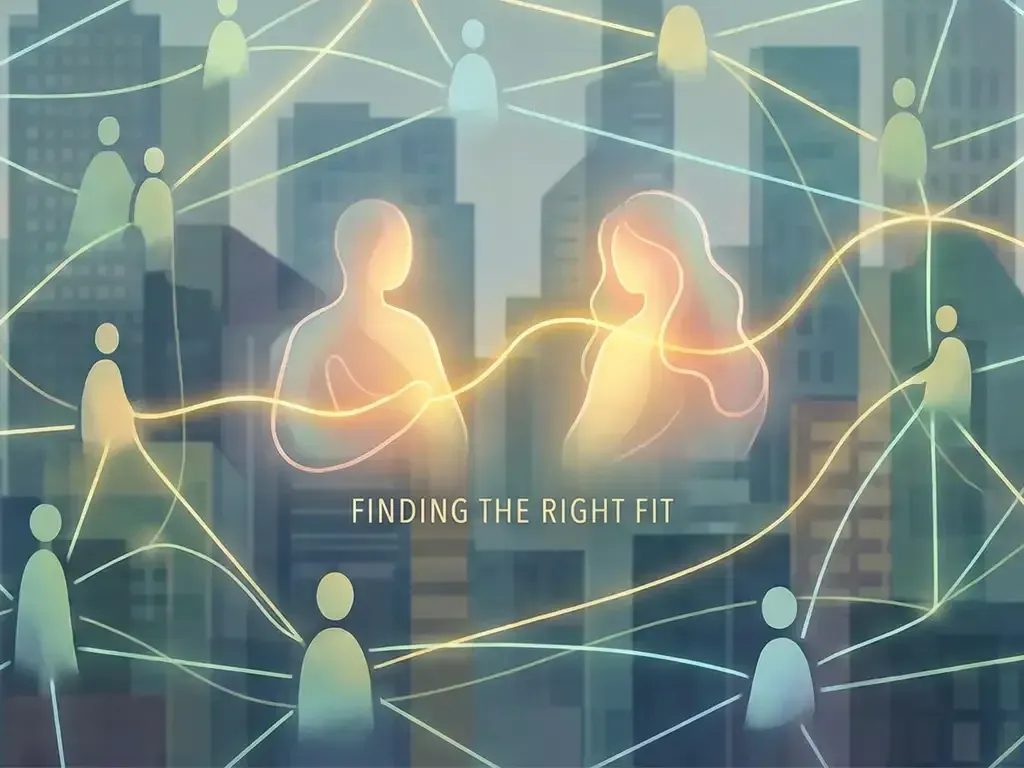
Explore top therapies—CBT, DBT, EMDR & more—to find the best fit for your needs. A guide to help you choose the right approach for mental health support.
A teen sits quietly by a lake in New York, NY. Photo for Ryan Savolskis Psychotherapy, teen therapy.
By Ryan Savolskis, LCSW November 3, 2024
Explore how therapy fosters trust, engagement, and growth for teens, with activities, empathy, and family collaboration guiding them to self-discovery and resilience.
A contemplative gay man sits shirtless in blue lighting, with a rainbow prism across hi
By Ryan Savolskis, LCSW October 31, 2024
Learn how therapy helps gay men heal trauma, confront shame, and embrace their identity in a supportive, affirming environment.
Image for the post Essential Reads for Personal Growth by Ryan Savolskis, LCSW, psychotherpist, NY.
By Ryan Savolskis, LCSW October 28, 2024
Discover impactful books for personal growth and healing. Therapist Ryan Savolskis shares top reads to help improve vulnerability, self-acceptance, and mindfulness.

Recent Posts

Call or email Ryan Savolskis Psychotherapy for a free initial consultation.

For a lot of men in the United States, therapy still feels like something that’s not for them. It’s seen as something women do, something you only turn to when you’re completely overwhelmed, or something that means you’ve failed at handling life on your own. And yet, the data tells a starkly different story.

Today, only about 17 % of American men saw a mental health professional in the past year, compared with significantly higher rates among women.

But mental health challenges affect men at similar rates as women, and the consequences of not addressing them can be severe. This blog isn’t about blaming men - it’s about naming a reality that too often goes unspoken and offering a different, more hopeful path forward.

Men Are Much Less Likely to Go to Therapy

Despite experiencing mental health issues at significant rates, men are far less likely than women to seek help. In the U.S., only around 17 % of men report seeing a mental health professional, while a notably higher share of women do.

Across all ages, men with a diagnosed mental illness are also less likely than women to receive treatment. This isn't because men don't struggle - it's because many factors discourage them from getting support.

How Men Are Taught to Relate to Emotions

From a young age, many boys receive messages like “man up” and “don’t cry”. These messages teach boys and men that vulnerability equals weakness. Over time, this leads many men to disconnect from their inner emotional world.

Instead of internalizing emotional awareness - asking “What am I feeling?” - the focus becomes “What do I need to do?” While problem-solving skills can be useful, emotions don’t just disappear because they’re minimized or ignored. They often show up in ways that feel less familiar and less safe to talk about.

When Feelings Don’t Get Talked About, Men Often Cope in Riskier Ways

The ways some men cope with unprocessed feelings can be harmful:

  • Overworking or staying constantly busy
  • Emotional shutdown or withdrawal
  • Alcohol or substance use
  • Aggression or irritability
  • Avoiding close relationships

These aren’t just “bad habits” - they’re coping strategies that often indicate deeper emotional distress. Therapy gives men a space to slow down, name what’s going on, and develop healthier coping skills.

The Suicide Crisis Among Men

Perhaps the most alarming statistic in men’s mental health is this: men are about four times more likely to die by suicide than women in the United States.

Men represent roughly 78–80 % of all suicides in the U.S. - even though they make up about half the population. This isn’t because men are inherently more emotional - but because many suffer in silence, internalize distress, and don’t access support early enough.

“Therapy Is for Women” - And Why That Myth Hurts Everyone

It’s true that the mental health field is predominantly female. While exact workforce numbers in the U.S. vary, therapy professions tend to be majority women.

For some men, this can create another barrier: they may fear being misunderstood, judged, or expected to express emotions in ways that don’t feel natural.

But here’s the catch: therapy isn’t about how you feel - it’s about finding understanding, tools, and support that help you live more fully. Good therapy meets you where you are. You don’t need the “right” words. You don’t need to cry. You don’t need to have all your feelings sorted before you begin.

You just need to show up.

Why Teen Boys Need Support Too

Mental health patterns - and help-seeking habits - begin early. Boys often face intense pressure to conform to traditional masculine norms well before adulthood, learning to hide vulnerability and suppress emotions. Unfortunately, this can set the stage for years of disconnected emotional processing and unhealthy coping.

Adolescence is a critical time: emotions intensify, social pressures increase, and identity begins to form. Supporting teen boys - through therapy, school programs, mentorships, and healthy father-son relationships - can help them develop emotional vocabulary and regulation skills that serve them for the rest of their lives.

Group therapy settings, peer support groups, and mentorship programs can help normalize talking about emotions and reduce shame. Schools and families that promote emotional literacy - teaching boys how to identify and express feelings - help counter cultural messages that discourage vulnerability.

When boys learn early that it’s okay to ask for help, understand themselves, and connect with others emotionally, they’re better equipped to build strong relationships and avoid riskier coping patterns later in life.

What Men Actually Gain From Therapy

When men engage in therapy, the benefits often extend far beyond symptom relief. Therapy can help men:

  • Communicate more effectively
  • Build healthier relationships
  • Manage stress and burnout
  • Heal from past trauma
  • Understand patterns in relationships
  • Define personal values and goals
  • Feel more grounded and present

Therapy isn’t endless venting - it’s equipping yourself with tools to live with intention and emotional awareness.

Therapy as Strength, Not Failure

One of the biggest shifts men make in therapy is redefining what strength really means. Strength isn’t ignoring pain - it’s facing it. Strength isn’t doing everything alone - it’s knowing when to ask for support.

Therapy isn’t about being broken or weak. It’s about growth, self-awareness, and resilience - the same qualities we admire in physical health, career development, or athletic training.

If more men felt empowered to talk about their emotions, ask for help, and seek therapy without shame, we’d see healthier relationships, stronger communities, and fewer men suffering alone.

A Final Thought

If you’re a guy who’s ever thought, I should probably talk to someone, but I don’t know how - that thought matters. It’s not a sign of weakness. It’s a sign that you’re ready for care, insight, and connection.

Breaking the silence around men’s mental health starts one conversation at a time. Therapy can be one of those conversations - and it might be one of the most important ones you ever have.

Share On

Hands with pride bands clasping, symbolizing the authentic connection and belonging needed for heali
By Ryan Savolskis, LCSW January 13, 2026
Explore substance use in gay culture as a response to trauma and shame—not a trend—and discover healthier ways to build authentic connections.

Silhouette of a person with internal tangled lines representing the internal wound of trauma.
By Ryan Savolskis, LCSW December 4, 2025
Trauma isn't the event - it's the internal response. Explore "Big T" vs. "Little t" trauma, common symptoms, and how to heal without pathologizing your pain.
Woman scrolling on phone, reading about mental health symptoms and self-diagnosis on social media.
By Ryan Savolskis, LCSW October 24, 2025
Social media is full of mental health advice, but it fuels self-diagnosis. Ryan Savolskis, LCSW, NYC therapist explains the dangers and separates fact from fiction.
A stylish gay man looking out a window in a New York City store, reflecting about perfectionism.
By Ryan Savolskis, LCSW October 15, 2025
NYC therapist explores why gay men struggle with perfectionism, how it's linked to shame, and the path to freedom through self-acceptance.
Man in distress. Mental health therapy, Ryan Savolskis, LCSW.
By Ryan Savolskis, LCSW April 30, 2025
Many men avoid therapy due to stigma and fear—but struggling alone isn’t strength. It’s time to talk, heal, and redefine what it means to be strong.
Sunset view from a serene pier extending over calm ocean waters, creating a tranquil and peaceful.
By Ryan Savolskis, LCSW November 8, 2024
Explore top therapies—CBT, DBT, EMDR & more—to find the best fit for your needs. A guide to help you choose the right approach for mental health support.
A teen sits quietly by a lake in New York, NY. Photo for Ryan Savolskis Psychotherapy, teen therapy.
By Ryan Savolskis, LCSW November 3, 2024
Explore how therapy fosters trust, engagement, and growth for teens, with activities, empathy, and family collaboration guiding them to self-discovery and resilience.
A contemplative gay man sits shirtless in blue lighting, with a rainbow prism across hi
By Ryan Savolskis, LCSW October 31, 2024
Learn how therapy helps gay men heal trauma, confront shame, and embrace their identity in a supportive, affirming environment.
Image for the post Essential Reads for Personal Growth by Ryan Savolskis, LCSW, psychotherpist, NY.
By Ryan Savolskis, LCSW October 28, 2024
Discover impactful books for personal growth and healing. Therapist Ryan Savolskis shares top reads to help improve vulnerability, self-acceptance, and mindfulness.