
Ryan Savolskis, LCSW
March 9, 2026

Why Anxiety Feels Worse Living in NYC

Image for Ryan Savolskis Psychotherapy Blog. Psychotherapist in New York, NY.
A comfortable NYC therapy office setting featuring a beige armchair, a box of tissues.
By Ryan Savolskis, LCSW March 6, 2026
Nervous about starting therapy in NYC? The first session is a supportive conversation. Learn what to expect, discuss your goals, and find the right fit.

Abstract illustration of calming blue, sage, and gold waves integrating over glowing neural pathways
By Ryan Savolskis, LCSW February 25, 2026
Discover what EMDR therapy in NYC is and how it helps individuals recover from trauma and anxiety. Learn how this structured psychotherapy helps the brain process memories that have become stuck in the nervous system.
Abstract city connections representing finding the right LGBTQ therapist NYC.
By Ryan Savolskis, LCSW February 18, 2026
Overwhelmed by searching for a therapist in NYC? Learn to prioritize fit and safety over endless profiles. Expert advice from a Midtown Manhattan LCSW.

Split forest path: dark muddy trail of rumination vs. sunny floral path of cognitive reframing.
By Ryan Savolskis, LCSW February 6, 2026
Neuroplasticity shapes your brain through repetition. Break cycles of rumination and depression by building healthier mental habits for lasting change.

Contemplative man sitting in an armchair reflecting on the need for therapy and men's mental health.
By Ryan Savolskis, LCSW January 22, 2026
Only 17% of men seek mental health help. Discover why therapy is a sign of strength, not weakness, and how it helps you handle life’s challenges.

Hands with pride bands clasping, symbolizing the authentic connection and belonging needed for heali
By Ryan Savolskis, LCSW January 13, 2026
Explore substance use in gay culture as a response to trauma and shame—not a trend—and discover healthier ways to build authentic connections.

Silhouette of a person with internal tangled lines representing the internal wound of trauma.
By Ryan Savolskis, LCSW December 4, 2025
Trauma isn't the event - it's the internal response. Explore "Big T" vs. "Little t" trauma, common symptoms, and how to heal without pathologizing your pain.
Woman scrolling on phone, reading about mental health symptoms and self-diagnosis on social media.
By Ryan Savolskis, LCSW October 24, 2025
Social media is full of mental health advice, but it fuels self-diagnosis. Ryan Savolskis, LCSW, NYC therapist explains the dangers and separates fact from fiction.
A stylish gay man looking out a window in a New York City store, reflecting about perfectionism.
By Ryan Savolskis, LCSW October 15, 2025
NYC therapist explores why gay men struggle with perfectionism, how it's linked to shame, and the path to freedom through self-acceptance.
Man in distress. Mental health therapy, Ryan Savolskis, LCSW.
By Ryan Savolskis, LCSW April 30, 2025
Many men avoid therapy due to stigma and fear—but struggling alone isn’t strength. It’s time to talk, heal, and redefine what it means to be strong.

Recent Posts

Call or email Ryan Savolskis Psychotherapy for a free initial consultation.

Understanding the Unique Stress of New York City Living

If you live in New York City and struggle with anxiety, you’re not alone, and you’re not imagining it. Many people who move to or grow up in NYC notice that their anxiety can feel more intense here than in other places.

New York is exciting, vibrant, and full of opportunity. But it’s also fast, crowded, expensive, and constantly stimulating. The pace of the city can amplify the exact things that tend to fuel anxiety: pressure, overstimulation, comparison, and uncertainty.

If you’ve ever wondered why your mind feels like it’s running at the same speed as the subway during rush hour, there are actually some understandable reasons for it.

The City Never Truly Turns Off

One of the biggest differences between New York and many other places is the constant stimulation. In NYC, there is always noise, movement, lights, crowds, and information coming at you.

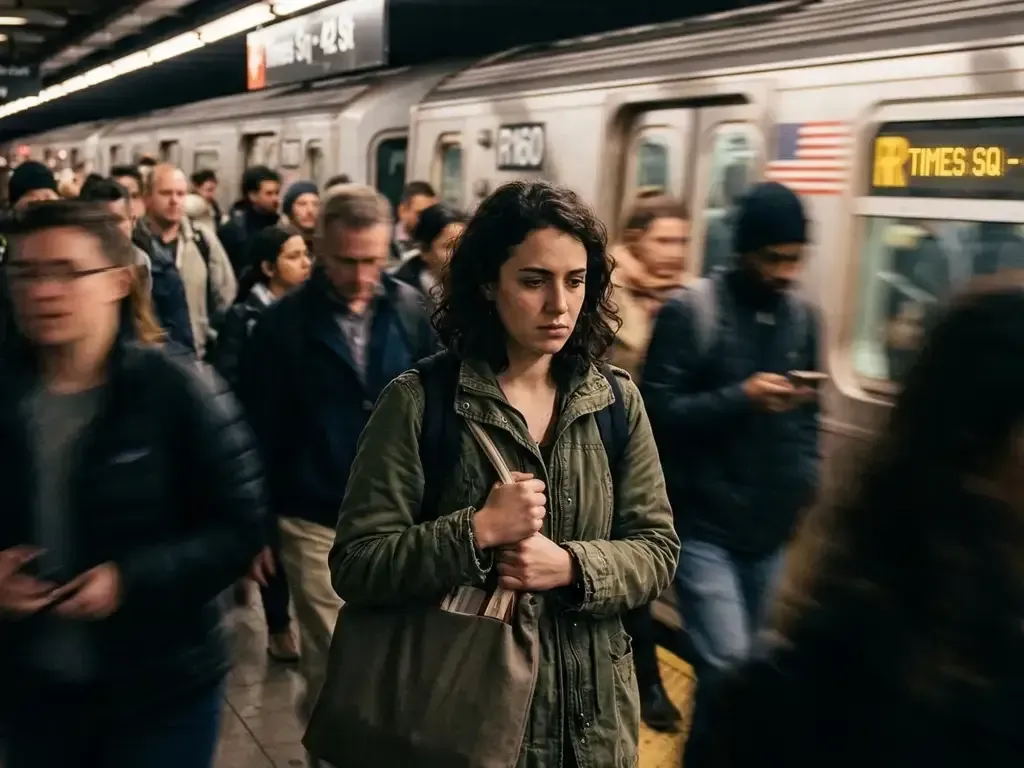
Even something as simple as commuting can involve packed trains, loud stations, delays, and navigating crowds of people moving quickly in every direction. Over time, this constant stimulation keeps the brain in a heightened state of alertness.

Our nervous systems are designed to shift between stress and recovery. But when the environment rarely slows down, it becomes harder for the body to fully relax. This can leave many people feeling chronically “on edge,” even when nothing specific is wrong.

The Pressure to Keep Up

New York attracts ambitious, driven people from all over the world. That energy can be inspiring, but it can also be overwhelming.

In many industries, NYC culture rewards productivity, long hours, and constant forward momentum. There’s often an unspoken message that if you slow down, someone else will take your place.

For people prone to anxiety, this environment can easily activate thoughts like:

  • “I should be doing more.”
  • “Everyone else seems ahead of me.”
  • “If I fall behind, I’ll never catch up.”

These thought patterns are common cognitive distortions that anxiety tends to latch onto. Over time, they can create a sense that you’re constantly racing a clock that never stops.

Comparison Is Everywhere

Another factor that can intensify anxiety in NYC is the constant exposure to comparison.

You might walk past someone wearing designer clothes on the way to the subway, scroll through social media and see friends launching businesses, or hear coworkers discussing promotions and major life milestones.

In a city full of incredibly talented and successful people, it’s easy for the brain to start measuring your life against everyone else’s highlight reel.

The problem is that comparison almost always distorts reality. We rarely see the full picture of someone’s struggles, insecurities, or setbacks. Yet anxiety has a way of convincing us that everyone else has things figured out while we’re the only ones falling behind.

Financial Stress Is a Real Factor

Living in New York City is expensive, there’s no way around it.

Rent, transportation, groceries, and everyday expenses can create a level of financial pressure that many people haven’t experienced before moving here.

Even individuals with stable careers can feel the weight of trying to keep up with the cost of living.

Financial uncertainty is one of the most common triggers for anxiety. When people feel like they’re constantly calculating budgets or worrying about future stability, the brain interprets that uncertainty as a potential threat.

Over time, that ongoing stress can make anxiety feel like a constant background noise in daily life.

NYC Encourages Constant Busyness

In many places, slowing down is seen as normal. In New York, slowing down can sometimes feel like you’re doing something wrong.

People often pack their schedules with work, social plans, side projects, and personal goals. While staying active can be fulfilling, it also means many people rarely give themselves permission to truly rest.

Ironically, anxiety often worsens when there is no space for recovery. When the brain is constantly processing tasks, information, and stimulation, it has very little time to regulate itself.

This is why many people notice that their anxiety spikes when they finally do slow down—the nervous system has been running so fast that it doesn’t know how to shift gears.

Why Anxiety Therapy in NYC Can Be So Helpful

Many people who search for anxiety therapy in NYC are looking for ways to manage the emotional impact of living in such a high-intensity environment.

Therapy doesn’t remove the city’s fast pace, but it can help people change their relationship with it. In therapy, clients often learn how anxiety works in the brain and body, identify the thought patterns that keep it going, and develop practical strategies to regulate their nervous system.

Cognitive Behavioral Therapy (CBT), mindfulness practices, and trauma-informed approaches can help people interrupt the cycle of anxious thoughts and regain a sense of control.

For many New Yorkers, therapy becomes one of the few spaces in their week where they can slow down, reflect, and reconnect with themselves.

You’re Not the Only One Feeling This Way

One of the most important things to remember is that anxiety in NYC is incredibly common. The city can be exhilarating, but it can also be overwhelming.

Many people silently assume they’re the only ones struggling while everyone else is thriving. In reality, a huge number of New Yorkers are dealing with the same pressures and internal stress.

The difference is that some people have learned tools to manage it—and therapy is often where those tools begin.

Finding Support for Anxiety in NYC

Living in New York doesn’t mean you have to live in a constant state of stress. Anxiety is highly treatable, and many people experience significant relief once they begin learning how to work with their thoughts, emotions, and nervous system.

If you’ve been feeling overwhelmed, constantly on edge, or stuck in cycles of worry, anxiety therapy in NYC can provide a supportive space to understand what’s happening and start building healthier ways to cope.

In a city that rarely slows down, therapy can be the place where you finally get to breathe.

Key Factors Driving Anxiety and Stress in NYC

  • Living in New York City exposes people to constant stimulation, pressure, and comparison, which can intensify symptoms of anxiety. The pace of the city often keeps the nervous system in a heightened state of alert, making it harder to fully relax or slow down.
  • Many people searching for anxiety therapy in NYC are not simply struggling with individual stressors but with the cumulative impact of city life, career demands, financial pressure, crowded environments, and the feeling that everyone else is moving faster or doing better.
  • Therapy can help people understand how anxiety operates in the brain and body, develop tools to regulate it, and learn how to live in a high-energy city without feeling overwhelmed by it.

Share On

A comfortable NYC therapy office setting featuring a beige armchair, a box of tissues.
By Ryan Savolskis, LCSW March 6, 2026
Nervous about starting therapy in NYC? The first session is a supportive conversation. Learn what to expect, discuss your goals, and find the right fit.
Abstract illustration of calming blue, sage, and gold waves integrating over glowing neural pathways
By Ryan Savolskis, LCSW February 25, 2026
Discover what EMDR therapy in NYC is and how it helps individuals recover from trauma and anxiety. Learn how this structured psychotherapy helps the brain process memories that have become stuck in the nervous system.
Abstract city connections representing finding the right LGBTQ therapist NYC.
By Ryan Savolskis, LCSW February 18, 2026
Overwhelmed by searching for a therapist in NYC? Learn to prioritize fit and safety over endless profiles. Expert advice from a Midtown Manhattan LCSW.
Split forest path: dark muddy trail of rumination vs. sunny floral path of cognitive reframing.
By Ryan Savolskis, LCSW February 6, 2026
Neuroplasticity shapes your brain through repetition. Break cycles of rumination and depression by building healthier mental habits for lasting change.
Contemplative man sitting in an armchair reflecting on the need for therapy and men's mental health.
By Ryan Savolskis, LCSW January 22, 2026
Only 17% of men seek mental health help. Discover why therapy is a sign of strength, not weakness, and how it helps you handle life’s challenges.
Hands with pride bands clasping, symbolizing the authentic connection and belonging needed for heali
By Ryan Savolskis, LCSW January 13, 2026
Explore substance use in gay culture as a response to trauma and shame—not a trend—and discover healthier ways to build authentic connections.

Silhouette of a person with internal tangled lines representing the internal wound of trauma.
By Ryan Savolskis, LCSW December 4, 2025
Trauma isn't the event - it's the internal response. Explore "Big T" vs. "Little t" trauma, common symptoms, and how to heal without pathologizing your pain.
Woman scrolling on phone, reading about mental health symptoms and self-diagnosis on social media.
By Ryan Savolskis, LCSW October 24, 2025
Social media is full of mental health advice, but it fuels self-diagnosis. Ryan Savolskis, LCSW, NYC therapist explains the dangers and separates fact from fiction.
A stylish gay man looking out a window in a New York City store, reflecting about perfectionism.
By Ryan Savolskis, LCSW October 15, 2025
NYC therapist explores why gay men struggle with perfectionism, how it's linked to shame, and the path to freedom through self-acceptance.
Show More